


In the context of increasingly stringent emissions regulations, many diesel-powered vehicles have been equipped with modern exhaust gas treatment technologies. One of the common solutions today is the use of… AdBlue solution in selective catalytic reduction (SCR) systems. However, upon encountering this product, many people still have questions. Is AdBlue dangerous?Read the article below by Madin to find the answer to the above question.
1. Basic information about AdBlue
AdBlue is an exhaust gas treatment fluid commonly used in modern diesel-powered vehicles. As emissions regulations become increasingly stringent, particularly in Europe and many other countries, AdBlue has become a crucial component in helping vehicles meet environmental standards. This fluid works in conjunction with the exhaust gas treatment system to reduce the amount of harmful emissions produced during diesel fuel combustion.
Solution What is AdBlue?
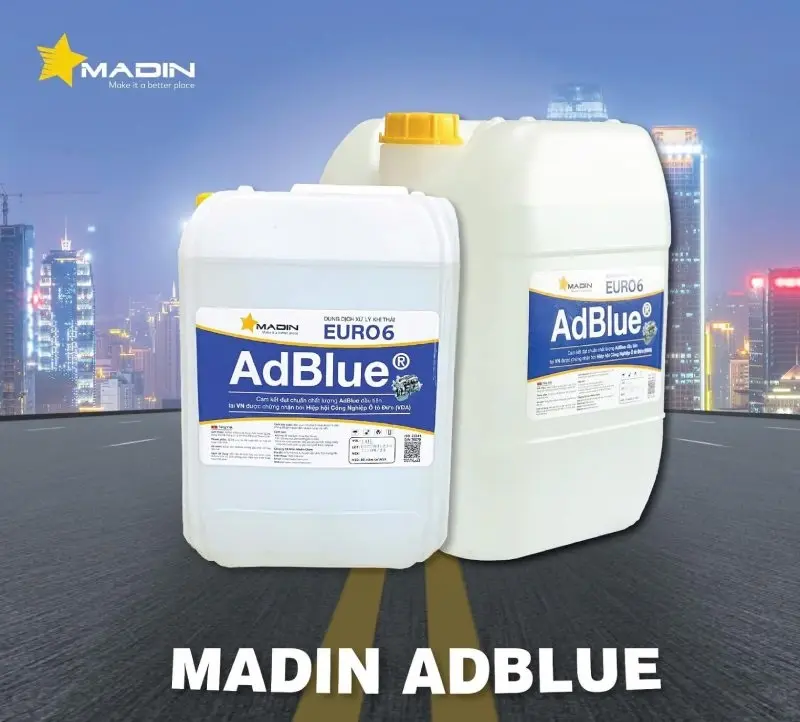
AdBlue is a high-purity diesel exhaust gas treatment fluid, commonly known as DEF (Diesel Exhaust Fluid). Its technical name is AUS32, short for Aqueous Urea Solution 32.5%. AdBlue is used in the selective catalytic converter (SCR) system of diesel engines to reduce nitrogen oxide (NOx) emissions – one of the most serious air pollutants. When injected into the exhaust system, this solution participates in a chemical reaction to convert toxic gases into less harmful substances before being released into the environment.
Composition of AdBlue solution
AdBlue is composed of two main components: pure synthetic urea and deionized water. The standard mixing ratio of this solution is 32.5% synthetic urea and 67.5% deionized water. This precise ratio ensures optimal efficiency in exhaust gas treatment. Thanks to its simple composition and high purity, AdBlue is neither a fuel nor an additive to be directly mixed into diesel fuel. The solution is contained in a separate tank and automatically metered by the SCR system as needed.
The role of AdBlue in SCR exhaust gas treatment systems.
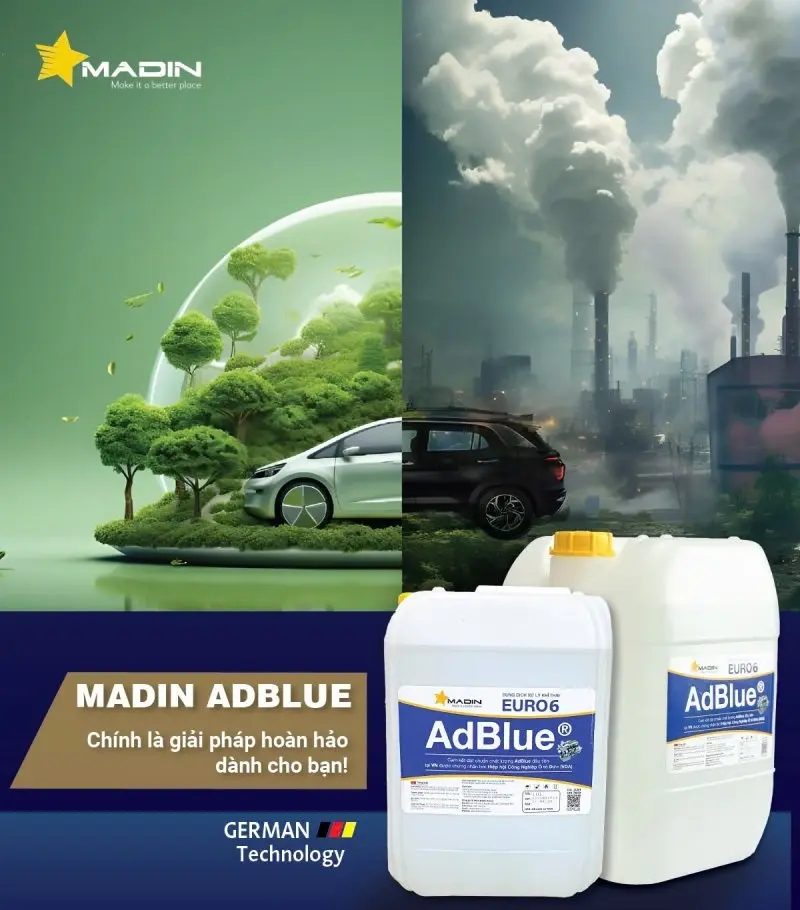
The SCR system is an exhaust gas treatment technology widely applied in modern diesel vehicles. During operation, AdBlue is injected into the exhaust gas stream before it passes through the SCR catalytic converter. Under the influence of temperature and chemical reactions, the solution decomposes and produces ammonia. This substance acts as a catalyst to convert nitrogen oxide compounds in the exhaust gas into nitrogen and water vapor. These are substances that are less harmful to the environment and human health. Thanks to this process, the amount of harmful emissions from diesel engines is significantly reduced.
Regulations for using AdBlue according to emission standards.
The use of AdBlue is linked to increasingly stringent emission standards for diesel engines. In Europe, since 2006 when the Euro 4 standard was implemented, many new trucks have been required to be equipped with an SCR system to reduce emissions. Subsequent versions of the standard further tightened emission regulations. By 2015, when the Euro 6 standard came into effect, many diesel-powered vehicles, including passenger and commercial vehicles, were required to use AdBlue to meet emission limits. Therefore, this solution has become a familiar component in modern diesel vehicles.
These devices require AdBlue.
AdBlue is commonly used in diesel vehicles equipped with an SCR system. The most common vehicle group is commercial trucks weighing over 7.5 tons, especially those manufactured after 2006. In addition, many buses, passenger transport vehicles, construction vehicles, and some newer diesel passenger cars are also designed to use this solution. These vehicles have a separate AdBlue reservoir, usually identifiable by its blue cap located near the diesel fuel filler cap.
2. Is AdBlue a dangerous or toxic product?
AdBlue is an exhaust gas treatment solution widely used in diesel-powered vehicles. Many users, upon first encountering this solution, often ask whether it is suitable for their needs. Is AdBlue dangerous?. In fact, AdBlue is considered a highly safe solution when used for its intended purpose.
AdBlue’s main components are 32.5% pure synthetic urea and 67.5% deionized water. These are non-flammable and non-explosive components. Therefore, this solution is not classified as a hazardous chemical like many other industrial fuels or solvents. Under normal storage and use conditions, AdBlue does not pose a fire or explosion risk and can be safely stored.
Furthermore, AdBlue is also considered to have minimal environmental impact. When used in SCR systems, this solution helps convert toxic nitrogen oxides into nitrogen and water vapor – substances that are less harmful to humans and the atmosphere. Thanks to this mechanism, AdBlue contributes to reducing polluting emissions from diesel engines.
In case the solution spills or gets on hands or clothes, users can easily clean it off with water. However, like many other technical solutions, users should still avoid prolonged contact with metal surfaces or unrelated equipment to minimize crystallization after drying.
Overall, AdBlue is not a hazardous or toxic product. When used correctly in SCR systems, this solution plays an important role in reducing emissions and helping diesel vehicles meet current environmental standards.
3. Madin – Manufacturer and supplier of high-quality AdBlue® By Madin solution.
Given the increasing demand for exhaust gas treatment solutions for diesel engines, many businesses in Vietnam have entered the production and distribution of AdBlue solution. Among them, Madin is known as one of the suppliers of exhaust gas treatment solutions with a production process that meets international standards.
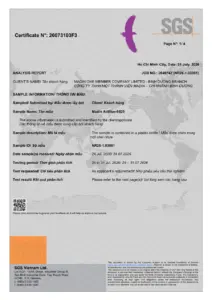
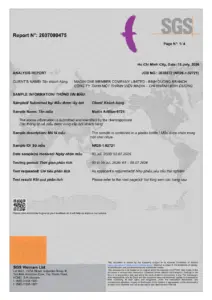
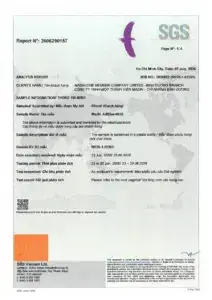
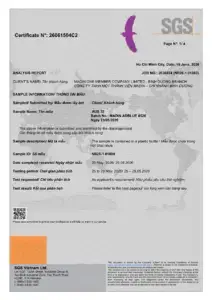
AdBlue® By Madin is manufactured using technology transferred from Germany and with consultation from the Vietnam Institute of Research and Application of Technology. The product is manufactured according to ISO 22241 – the international standard for AUS32 solutions used in SCR systems of diesel engines. The production process is strictly controlled to ensure the purity of the solution and maintain consistent quality.
The raw materials used to produce AdBlue® By Madin are imported and strictly controlled to ensure they meet the technical requirements of the AUS32 solution. As a result, the product can meet the emission standards currently applied to many types of diesel vehicles.
Madin also offers AdBlue solution in various packaging sizes to suit the needs of different customer groups. Common packaging options include 10-liter and 20-liter cans, 200-liter drums, and 1000-liter tanks. This variety allows the product to serve individual customers, transportation businesses, and large fleet operators.
In addition to manufacturing, Madin has developed a widespread distribution system with numerous sales and usage points in the market. This expanded supply network makes it easier for users to access AdBlue solution when needed. With a standardized production process and an ever-expanding distribution network, AdBlue® By Madin is becoming a popular choice for businesses and diesel vehicle operators in Vietnam.
Contact information
MADIN ONE-MEMBER LIMITED LIABILITY COMPANY
- Hanoi Warehouse: 756B Nguyen Khoai Street – Thanh Tri Ward – Hoang Mai District – Hanoi
- Hotline: 0886634634
- E-mail: [email protected]
- Factory address: Road 206, Pho Noi A Industrial Zone, Van Lam, Hung Yen
Conclusion
AdBlue is a highly safe exhaust gas treatment solution when used correctly. Composed primarily of pure urea and deionized water, it is non-flammable, non-explosive, and poses minimal risk to humans and the environment. Importantly, AdBlue also contributes to reducing harmful emissions from diesel engines. In Vietnam, AdBlue® By Madin is distributed by Madin. This product is manufactured to international quality standards, making it easier for businesses and vehicle owners to access a stable and suitable exhaust gas treatment solution.