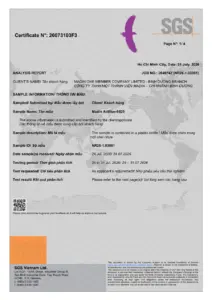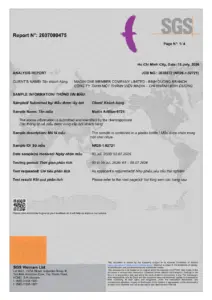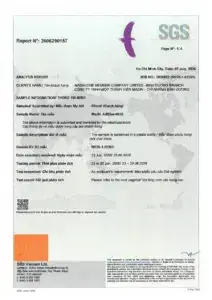



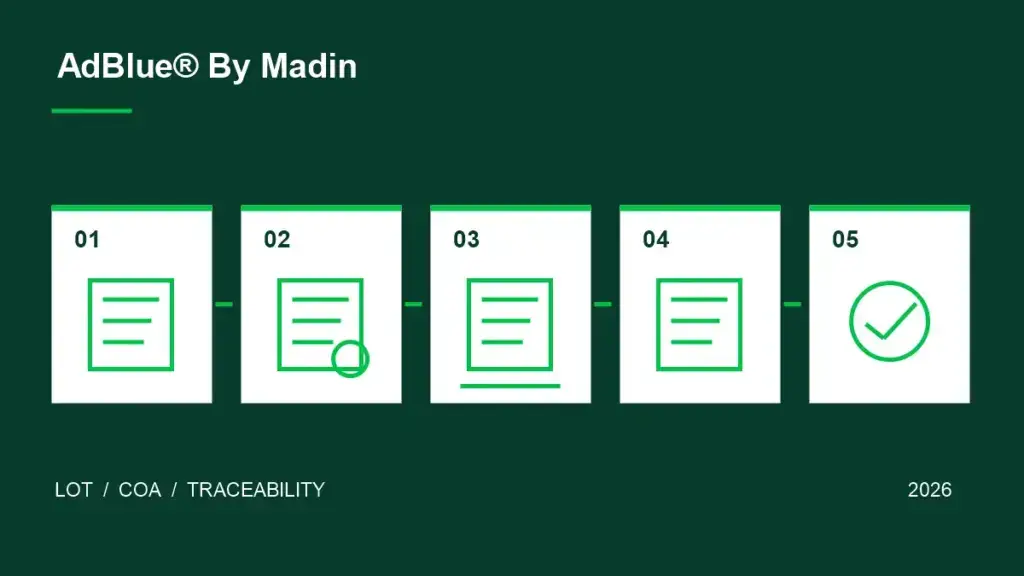
Before accepting an AdBlue delivery, match the batch on the packaging or delivery record to its certificate of analysis (COA), inspect the delivery and confirm that handling equipment is ready. A COA is useful evidence for the identified batch; it cannot demonstrate what happened to the fluid during every subsequent handling step.
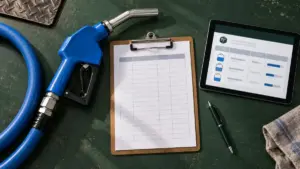
Suggested receiving workflow: identify the batch, check documents, inspect the delivery, prepare handling and record the decision. Original Madin illustration.
Five checks before releasing the delivery for use
- Identify the batch. Record the supplier, product, quantity and batch number. For bulk deliveries, agree how the batch is identified on the transport and delivery documents before unloading.
- Match the COA. Check the batch reference, issuer, date and reported results against the agreed product specification. A generic product sheet is not a substitute for the relevant batch record. Ask the supplier to clarify missing or inconsistent information.
- Inspect the delivery. Check seals where fitted, labels, packaging condition and visible damage or leakage. Photograph discrepancies and record them on the receiving report before mixing the delivery with existing stock.
- Prepare handling equipment. Confirm that the receiving tank, pump, hose and connections are intended for AdBlue and maintained according to the supplier's instructions. Do not use equipment previously exposed to diesel or oil without an approved handling procedure.
- Record an acceptance decision. Link the batch, COA, receipt date, storage location and responsible person. Hold material with unresolved discrepancies separately and contact the supplier; do not release it merely because a document carries a familiar logo.
A simple record that supports traceability
Use one receiving record per identified batch: delivery reference → batch → COA → storage location → issue record. For example, if one delivery supplies two tanks, record both destinations. If several batches enter a shared tank, retain the mixing history rather than labelling the entire contents as the newest batch.
Frequently asked questions
Does a COA replace a safety data sheet?
No. A batch analysis record and safety information serve different purposes. Keep the applicable product and handling documentation available to receiving staff.
What if the batch number does not match?
Record the discrepancy, keep the affected material on hold and ask the supplier to confirm the correct records. This checklist is an operational suggestion, not a laboratory release decision or a substitute for your quality procedure.
Preparing a fleet or warehouse delivery? Send Madin the delivery location, expected quantity and packaging format so the team can discuss documentation and receiving arrangements.