


Coolant plays a role in maintaining a stable temperature and protecting the automotive engine components from the effects of heat and corrosion. However, not all users properly monitor the replacement cycle or check the condition of this solution during use. Ignoring the relevant technical factors can reduce the cooling efficiency and affect the durability of the vehicle. Therefore, the question How long does it take for car coolant to be changed and how to check is always a matter that needs due attention.
1. Importance of car coolant
Coolant is an indispensable component in the operating system of a car engine. This solution takes on many important technical functions, from temperature control to protection of internal parts. Understanding the role of coolant helps users be more proactive in maintenance and limit risks arising during use.
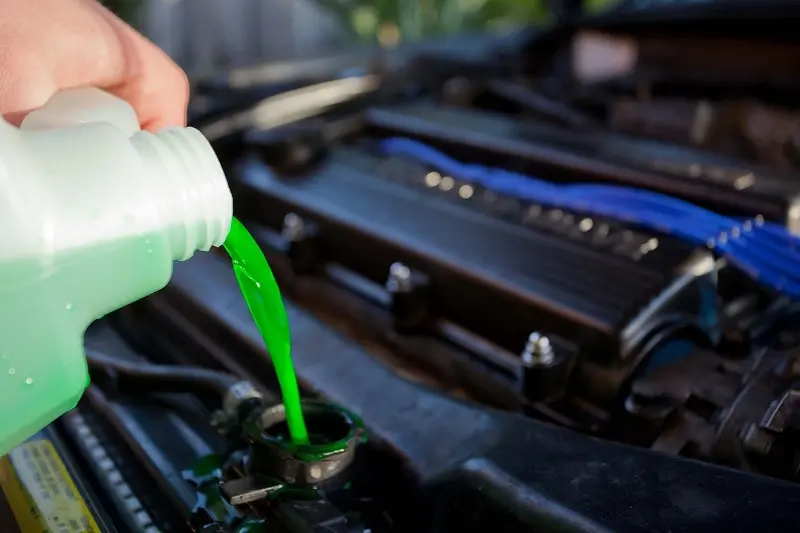
Motor air conditioner
During operation, the engine generates a large amount of heat from fuel combustion. The coolant is responsible for absorbing heat from parts such as the cylinder and transmitting it to the water tank to dissipate heat. As a result, the engine temperature is maintained in a stable range, helping the car to operate smoothly and limiting overheating when moving in heavy load conditions or hot weather.
Prevent overheating
When the cooling system is working efficiently, the coolant will help control the temperature not to exceed the permissible threshold. If the solution is missing or deteriorating, the heat dissipation will decrease, leading to the risk of overheating. This situation can directly affect important parts such as gaskets, pistons, or cylinder heads, increasing repair costs.
Corrosion and foul resistance
In addition to its cooling function, the coolant also contains additives that help protect the metal in the system from oxidation. At the same time, the high-quality solution is capable of limiting the formation of deposits in water tanks and pipes, ensuring a stable circulation flow. This contributes to maintaining heat exchange performance throughout the service life.
Effects on engine life
The quality of the coolant has a direct impact on the durability of the engine. When the solution is no longer guaranteed, the internal parts are easily corroded or affected by high temperatures for a long time. On the contrary, maintaining a standard coolant and replacing it regularly will help extend the life of the engine, while minimizing unexpected problems during operation.
2. How long does it take to change the car coolant?
Engine coolant changes need to be done periodically to ensure that the cooling system is always working efficiently. According to recommendations from experts, the coolant change time depends on the type of fluid used and the actual operating conditions of the vehicle.
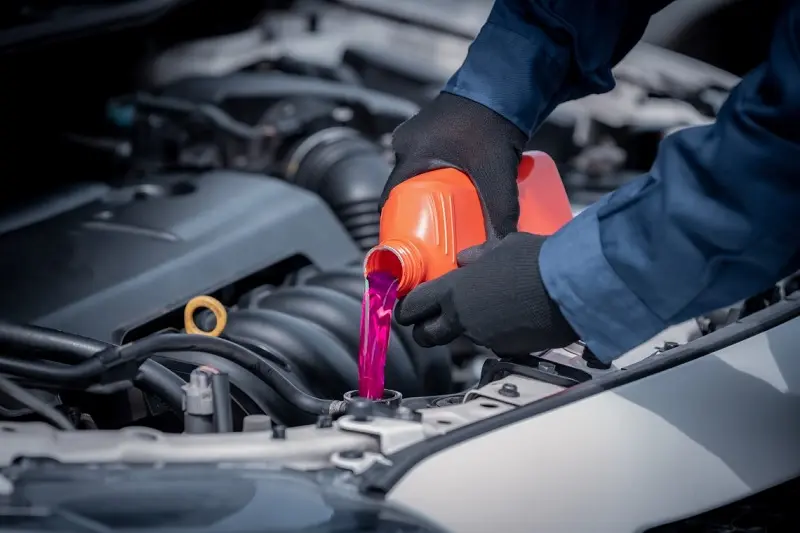
Normally, the coolant should be changed every 100,000 – 250,000 km, equivalent to about 2 to 5 years of use. This is the time when the solution begins to deteriorate heat dissipation, corrosion resistance, and easy to generate deposits in the system.
However, in some cases, users should actively change it sooner. Specifically, if the vehicle operates at a high frequency, often moves in extreme weather conditions such as prolonged heat or low temperatures, or has to transport heavy goods, the cooling system will be under greater pressure and cause the coolant to deteriorate quickly.
Besides tracking the timeline or mileage, users should regularly check the coolant tank to assess the actual condition. Factors such as the type of solution being used, the frequency of operation, and the environment in which they are used all directly affect the replacement cycle. Proactively checking and replacing at the right time will help maintain stable cooling performance and protect the engine in the long term.
3. How to check car coolant is simple and effective
Coolant testing does not require complex techniques but needs to be done properly to ensure an accurate assessment of the system condition. Periodic inspections help detect abnormalities early and proactively handle them before serious damage occurs.
Coolant level check
The user can observe the water level through the filler tank, which is usually designed with a clear Min – Max line. The water level should be within this range when the engine cools. If the solution level is below the minimum threshold, timely replenishment is required to ensure the proper operation of the cooling system.
Checking the color and quality of the solution
Qualified coolants are usually clear, uniform in color, and free of impurities. When the solution turns brown, cloudy, or has sediments, this is a sign that corrosion or contamination has occurred in the system. In this case, it is recommended to replace it completely to ensure cooling efficiency.
Check for signs of leaks
Leaks are a common cause of rapid coolant loss. Locations such as water tanks, pipes, and joints should be inspected for signs of dampness or cracks. Thorough treatment of the leak spot will help prevent repeated coolant loss after replenishment.
Check the temperature of the motor when operating
During use, the driver should keep an eye on the thermal hand on the instrument panel. If the temperature rises abnormally or fluctuates unstably, this may be a sign that the cooling system has a problem. At that time, it is necessary to stop the car for inspection to avoid causing damage to the engine.
4. Madin provides Madin Coolant to help protect the engine in all conditions
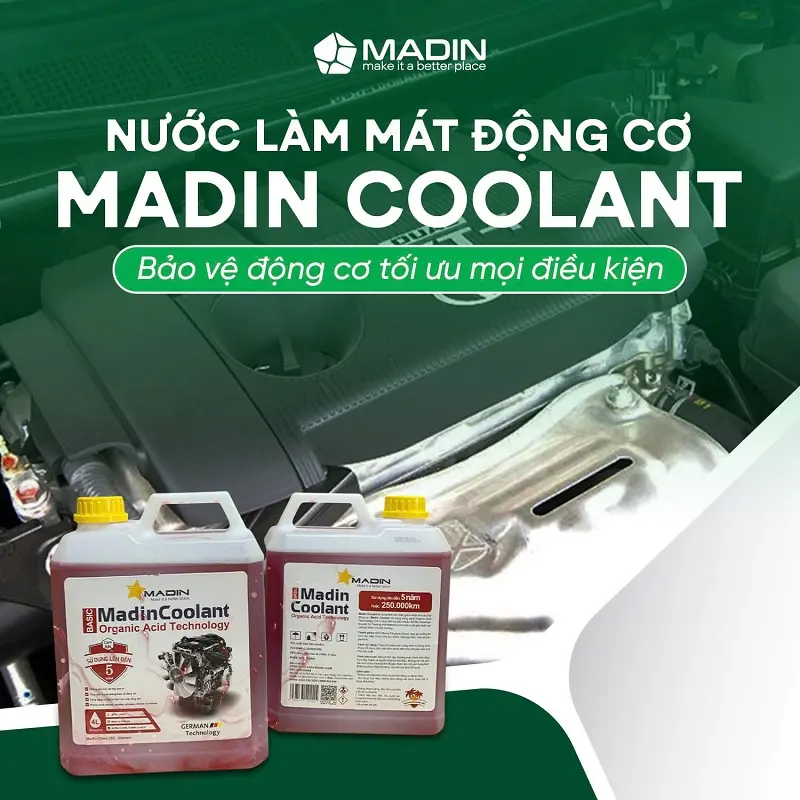
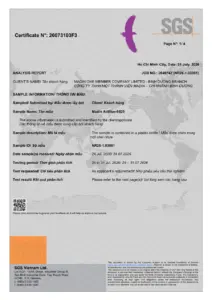
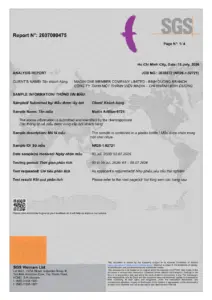
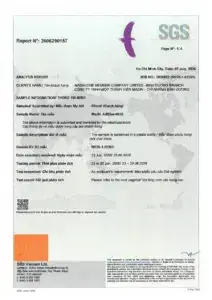
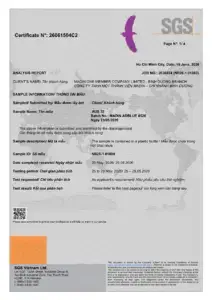
Madin is a supplier of additives and technical solutions for automobiles, in which Madin Coolant is developed to meet the actual operating needs of many car models. The product applies Organic Acid Technology (OAT), which helps to increase the protection of the cooling system in high temperature conditions and continuous operation.
Madin Coolant is resistant to corrosion of metal parts, limits the formation of deposits, and maintains a stable heat exchange efficiency for a long time. The component is designed to be free of substances that can affect the system, suitable for gasoline, diesel and natural gas engines.
In addition to product quality, Madin also supports technical consulting, helping users choose the right solution for each type of vehicle and operating conditions, contributing to maintaining the performance and durability of the engine.
Contact information
MADIN CO., LTD
- HN Warehouse: 756B Nguyen Khoai – Thanh Tri – Hoang Mai – Hanoi
- Hotline: 0886634634
- Email: [email protected]
- Factory Address: Street 206, Pho Noi A Industrial Park, Van Lam, Hung Yen
Conclusion
In the above article, Anonymous Answered How long does it take for car coolant to be changed and how to check. Maintaining the quality of the coolant in a good state is one of the factors that help the cooling system work stably and limit the risk of engine damage. In addition to periodic inspections and timely changes, choosing the right solution also plays an important role in long-term operational efficiency. Products from Madin are researched according to high technical standards, helping to protect the cooling system from thermal and corrosive effects. Proactive maintenance will help the car operate safer and more durable.