


Automotive engines during continuous operation generate large amounts of heat and need a stable heat transfer system to maintain a safe operation threshold. In particular, the coolant plays an important intermediary role between the engine and the heat dissipation environment. Each component in this solution has its own function, directly affecting the cooling efficiency and system durability. Therefore, understanding Car cooling water ingredients It is a necessary step to properly understand the mechanism of operation and avoid wrong choices during vehicle maintenance.
1. Introduction to car cooling water
Car cooling water is a solution used in the cooling system to maintain a stable temperature for the engine during operation. When the engine is operating, the fuel combustion process generates a large amount of heat, if left unchecked, it will cause overheating, reducing performance and affecting the life of the internal parts. The coolant is responsible for absorbing and transferring this heat from the engine to the water tank to dissipate to the outside environment.
Unlike conventional water, cooling water is formulated from many specialized components to meet harsh operating conditions such as high temperature, high pressure and constant environmental changes. In addition to the heat transfer function, this solution also helps to limit corrosion, prevent deposits and protect metal details in the cooling system.
The correct use of cooling water and periodic inspection is an important factor to help the engine operate stably, avoiding unwanted damage during vehicle use.
2. Learn about car cooling water ingredients
Automotive coolant is not ordinary water but a mixture designed with many specialized chemical components to ensure heat transfer, anti-freeze and protect the engine system. Understanding each component helps users to properly assess product quality and choose in accordance with actual operating conditions.
Glycol (ethylene glycol/propylene glycol)
Glycol is the main component in coolant, usually accounting for about 35% to 60% of the solution. This is a substance that lowers the freezing point and raises the boiling point of the solution, helping the cooling system to operate stably in both hot and cold conditions. Ethylene glycol is commonly used for its high efficiency, while propylene glycol has the advantage of being safer in some special applications. Thanks to the glycol, the coolant can maintain its liquid state under conditions of strongly variable temperature.
Anti-corrosion additive
In the cooling system there are many metal parts such as aluminum, cast iron and alloys. Anti-corrosion additives are added to prevent oxidation and rust during operation. This component helps to protect the water tank, water pump and pipes, thereby prolonging the life of the entire cooling system.
Anti-scaling additive
During operation, without suitable additives, minerals can precipitate and form deposits in the pipeline. Anti-scaling additive helps keep the solution stable, limits clogging and maintains long-term heat transfer efficiency.
Distilled water
Distilled water or deionized water is the base medium that helps dissolve other components. The use of distilled water helps to limit impurities and minerals that cause deposits, ensuring the cooling solution works stably and safely for the system.
Colorants (Dyes)
Colorants not only help identify the type of solution, but also help detect leaks in the cooling system. Common colors such as blue, red, orange or pink are often used to distinguish each product line, but the color does not directly reflect the quality of the solution.
3. Madin Coolant
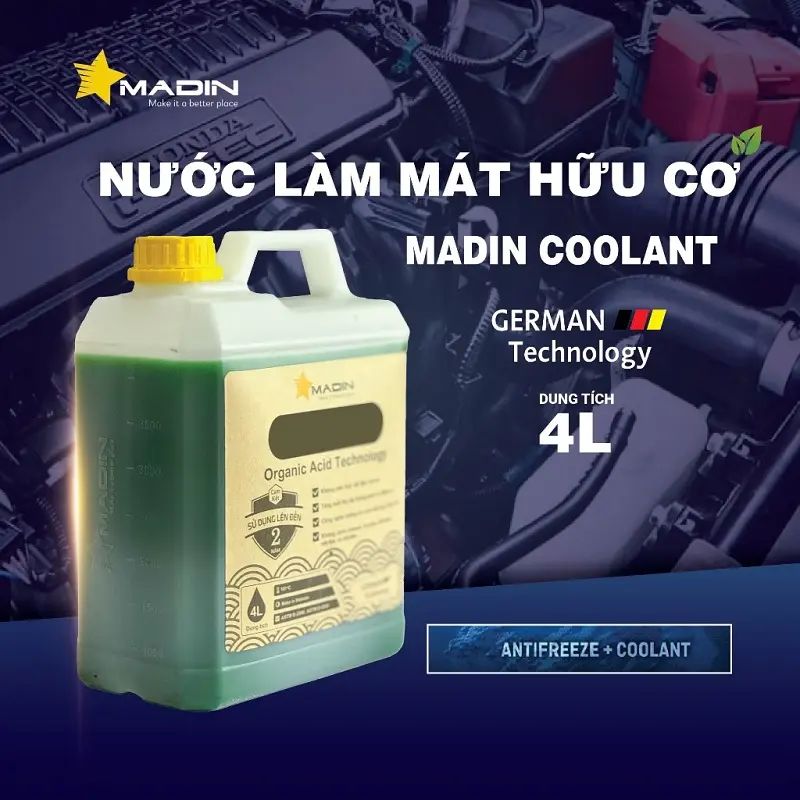
In modern coolant lines, Organic Acid Technology (OAT) is being used in popularity thanks to its long-term and stable protection for the engine system. Madin Coolant is one of the products that apply this technology, developed to meet the actual operating conditions in many different vehicle models, from passenger cars to trucks and specialized vehicles.
Madin Coolant solution not only focuses on heat transfer, but also focuses on protecting the material and maintaining the stability of the cooling system for a long time. The product is designed with clear technical standards, suitable for actual use in hot and humid climates.
Oat technology in Madin Coolant

OAT technology uses organic acids as a corrosion inhibitor, helping to protect the metal surface in the cooling system in a stable and long-lasting way. Different from traditional technology, OAT does not create a thick film but operates according to a selective protection mechanism, helping to reduce deposit formation and maintain heat transfer efficiency. This helps the cooling system to operate stably for a long time without too frequent replacement.
Stable technical components
Madin Coolant uses mono ethylene glycol combined with a strictly controlled anti-corrosion and anti-scaling additive system. Depending on the product line, the ratio of glycol is adjusted from 20% to 60% to suit different operating conditions. The deionized water component helps to limit impurities, ensuring the purity of the solution during use.
Cooling system protection
The solution protects important details such as water tanks, water pumps, thermostat valves and pipelines from corrosion and deposits. This contributes to maintaining stable heat dissipation, limiting the risk of overheating when the vehicle is operating under high load conditions or moving continuously.
Temperature stability under a variety of operating conditions
Madin Coolant is designed to operate stably in the wide temperature range, helping the engine maintain optimal heat even when the vehicle is operating in crowded urban conditions or long distances. The ability to keep boiling and freezing points steadily helps the cooling system to operate more flexible according to each environment.
Madin Coolant product lines
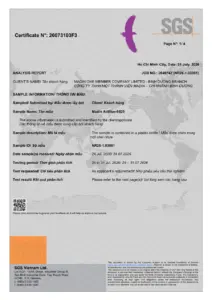
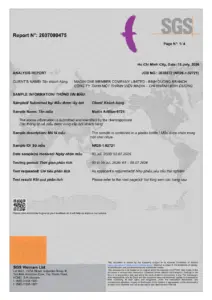
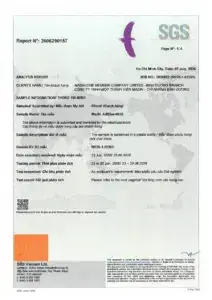
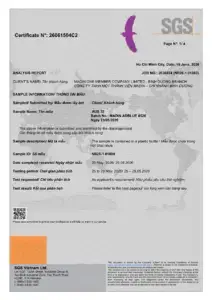
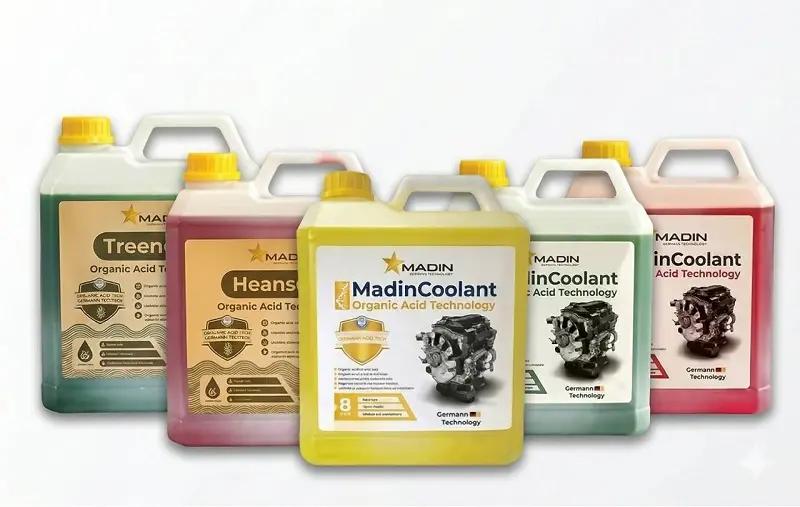
Madin Coolant currently has many different versions such as Pro 60%, Basic 50%, Lite 37.5% and Base 20%, suitable for different usage needs and operating time. In addition, the Hoang Sa line & Truong Sa was developed with anti-corrosion additives from Germany and deionized water, meeting international technical standards.
Madin Coolant can be used for many different types of engines, from personal vehicles to commercial vehicles. The product is suitable for periodic maintenance requirements, helping users maintain stable operating performance and reduce risks related to the cooling system during long-term use.
Contact information
MADIN COMPANY LIMITED
- Hanoi warehouse: 756B Nguyen Khoai – Thanh Tri – Hoang Mai – Hanoi
- Hotline: 0886634634
- Email: [email protected]
- Factory address: Road 206 Pho Noi A Industrial Park, Van Lam, Hung Yen
Epilogue
Understanding the structure and role of each Car cooling water ingredients Help users be more proactive in the selection and maintenance of the engine cooling system. Factors such as the ratio of glycols, anti-corrosion additives, colorants and distilled water all directly affect the heat transfer capacity and durability of the system. In fact, products that apply organic additive technology such as Madin Coolant do Madin Development is being selected by many technical units to increase the efficiency of engine protection in long-term operating conditions in Vietnam.