


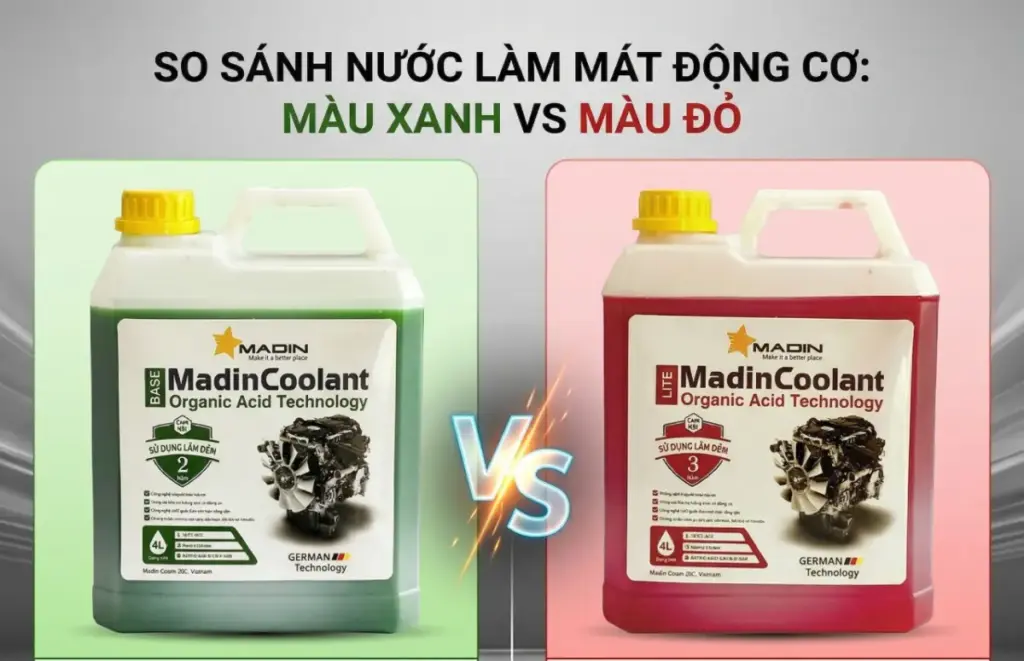
The coolant not only plays a role in temperature control, but also directly affects the durability of the metal parts inside the engine. On the market today, coolant is distributed in many different colors, the most popular of which are blue and red. The color difference often makes users confused when choosing and using. Therefore, understanding and comparing Water cooling engine blue and red necessary for proper and effective use.
1. Why does car coolant come in so many colors?
Car cooling water has many colors such as blue, red, orange, pink or yellow, which often makes users misunderstand that the color reflects the quality or performance of the product. In fact, the color is mainly created from dyes added by the manufacturer for the purpose of identification, not the determinant of the ability to cool or protect the engine.
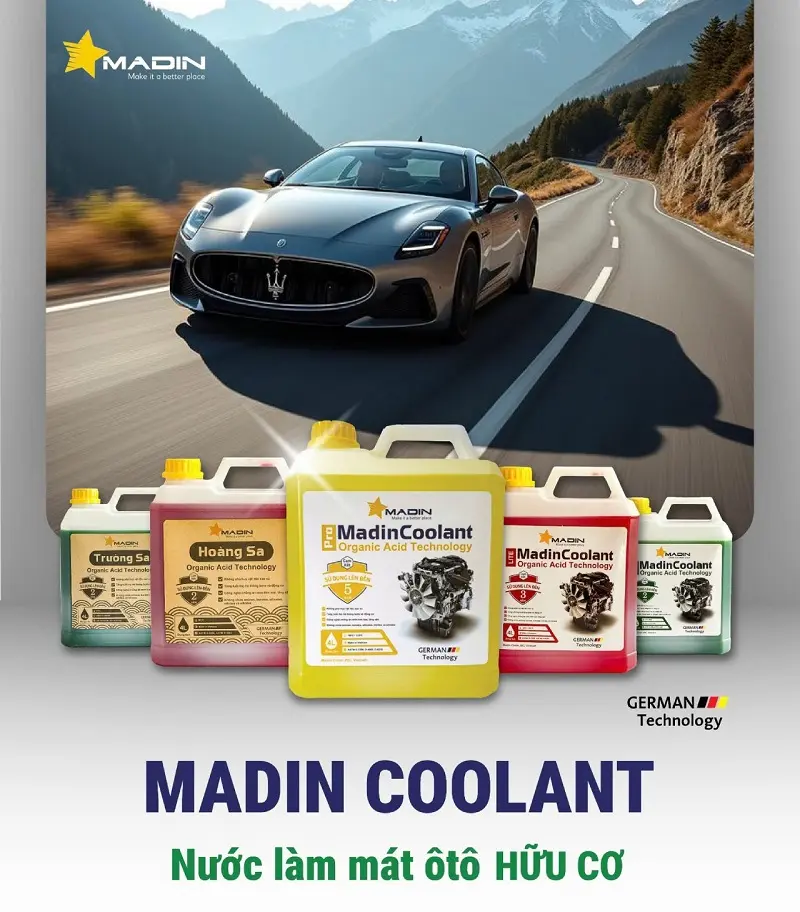
One of the main reasons for using color is to help distinguish the types of solutions between different brands and product lines. When checking the water level in the auxiliary tank or detecting a leak, the color will help users easily identify the system condition. This is a technical support factor during maintenance, especially with closed cooling systems.
Besides, colors are also sometimes related to the additive technology used, such as inorganic technology (IAT) which is usually blue, while organic (OAT) or hybrid (Hoat) technology is usually red or orange. However, this is not a general standard, as each manufacturer can use different colors for the same type of technology.
It is important to note that the color does not accurately reflect the composition or quality of the solution. The two types of coolant of the same color can still differ in technology and protection. Therefore, when choosing a coolant, users should rely on the technical standards and recommendations of the vehicle manufacturer, instead of just the external color.
2. Comparison of blue and red engine coolant
The comparison of blue and red coolant should be based on specific technical criteria instead of just looking at the color. Below is a comparison table that helps clarify the differences between these two common types:
| Criteria | Blue cooling water | Red cooling water |
| Technology | Often use IAT technology (inorganic additives) with components such as silicate and phosphate to protect metals | Often use OAT or active technology (organic additives), optimized for modern materials |
| Main ingredient | Contains inorganic anti-corrosion substances, suitable for traditional metal systems | Use organic corrosion inhibitors, no silicate or phosphate |
| Lifespan of use | Shorter, usually need to be replaced after about 2 years or 40,000–100,000 km to ensure efficiency | Longer, can be used for 5 years or up to 250,000 km depending on operating conditions |
| protection | Good protection of metal details such as copper and iron but easy to create residue if not changed periodically | Good protection of aluminum system, limiting dirt and corrosion for a long time |
| Costs and applications | Lower cost, suitable for older cars or require regular replacement | Higher cost but reduced maintenance frequency, suitable for new cars |
In general, the difference between the two types is not in the color but in the additive technology and the scope of application. The selection should be based on the engine characteristics and recommendations of the manufacturer.
3. Notes when choosing car coolant
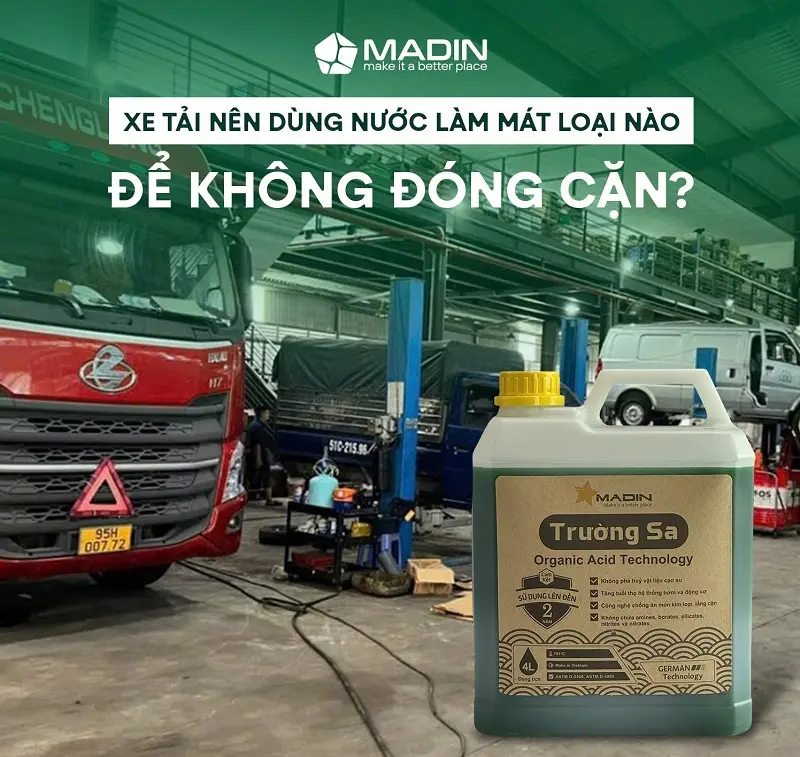
To ensure the cooling system operates stably and limit the risk of engine damage, the selection of coolant water needs to be based on specific technical criteria instead of sensory. Here are some important notes to consider:
- Consistent with manufacturer’s recommendations: Always give priority to the type of coolant listed in the vehicle manual to ensure compatibility with the system materials and design.
- Additive technology (IAT, OAT, HOAT): Choosing the right solution technology will help optimize corrosion resistance, limit residue and prolong use.
- No choice based on color: The color is only identifying, not reflecting the quality or ability to protect the engine.
- Limit mixing of a variety of solutions: Wrong mixing can cause chemical reactions, create residues and reduce cooling efficiency.
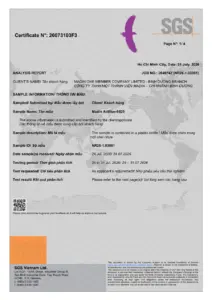
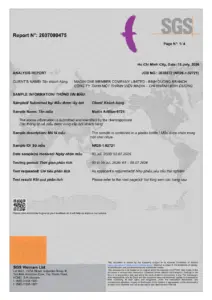
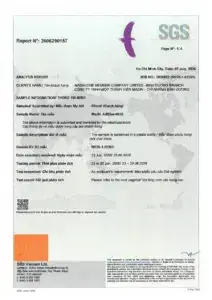
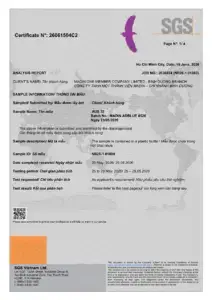
- Prioritize products that meet standards: Should choose coolant with clear technical certification, ensuring thermal stability and protection of the system in actual operating conditions.
4. Madin – a reputable coolant supplier
Madin is a unit operating in the field of automotive chemicals and additives, providing solutions to support the cooling system to operate stably in a variety of conditions. With the orientation of product development according to clear technical standards, Madin focuses on improving cooling efficiency and minimizing negative effects such as corrosion or formation of dirt.
Madin Coolant Coolant is researched based on Organic Acid Technology (OAT), which helps to increase the protection of metal parts and prolong use. The solution is designed to suit a variety of engines, from personal vehicles to continuous operation.
In addition to the product, Madin also provides technical advice, assisting users in choosing the right coolant for each vehicle model and operating conditions. This is an important factor to help optimize the efficiency of use and ensure that the cooling system always maintains a stable state during operation.
Contact information
MADIN COMPANY LIMITED
- Hanoi warehouse: 756B Nguyen Khoai – Thanh Tri – Hoang Mai – Hanoi
- Hotline: 0886634634
- Email: [email protected]
- Factory address: Road 206 Pho Noi A Industrial Park, Van Lam, Hung Yen
Epilogue
Understanding the nature and differences when comparing Water cooling engine blue and red Help users avoid wrong choice and ensure the operating efficiency of the cooling system. Instead of relying on color, it is necessary to prioritize the technology and solution standards suitable for each type of engine. In fact, products from Madin As Madin Coolant is developed according to modern technology, meeting the requirements of long-term and stable protection for many models, is the right choice in diverse operating conditions.