


During operation, the cooling system plays a role in controlling the temperature and protecting the parts inside the engine from overheating and corrosion. However, when observing the reality, many users are easily confused by the variety of colors of cooling water such as blue, red, orange or pink. In many cases, choosing a solution based on color but ignores important technical factors. Therefore, understanding the difference of Car engine coolant color It is necessary to ensure the correct use of the right type and maintain operational efficiency.
1. Introduction to car engine coolant
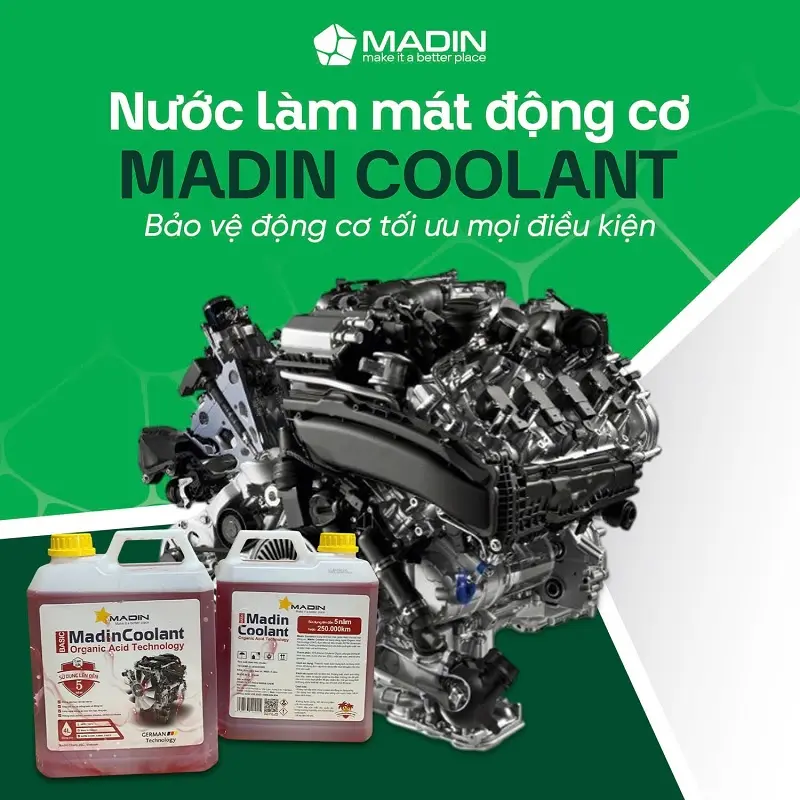
Car engine coolant is a specialized solution that maintains a stable temperature during operation. When the engine is in operation, the fuel combustion process generates a large amount of heat, if left unchecked, it will cause overheating, reducing the performance and affecting the durability of the mechanical parts. Cooling water helps to absorb and transfer heat to the environment through the water tank, thereby keeping the engine operating within the allowable temperature limit.
The composition of the coolant usually includes ethylene glycol or propylene glycol, purified water and anti-corrosion and anti-scaling additives. In addition to cooling, the solution also helps to limit rust, protect metal details and prevent freezing under low temperature conditions. The selection and use of the right type of coolant not only ensures operating performance, but also contributes to prolonging the life of the entire cooling system and engine.
2.Difference of car engine coolant
Car engine coolant is currently produced in many colors such as green, blue, red, pink, yellow or purple, easily making users misunderstand that the color directly reflects the quality. In fact, each color is mainly used to identify the type of solution and accompanying technology. Understanding this difference helps users avoid mistakes when choosing and using, thereby protecting the cooling system and engine more effectively.
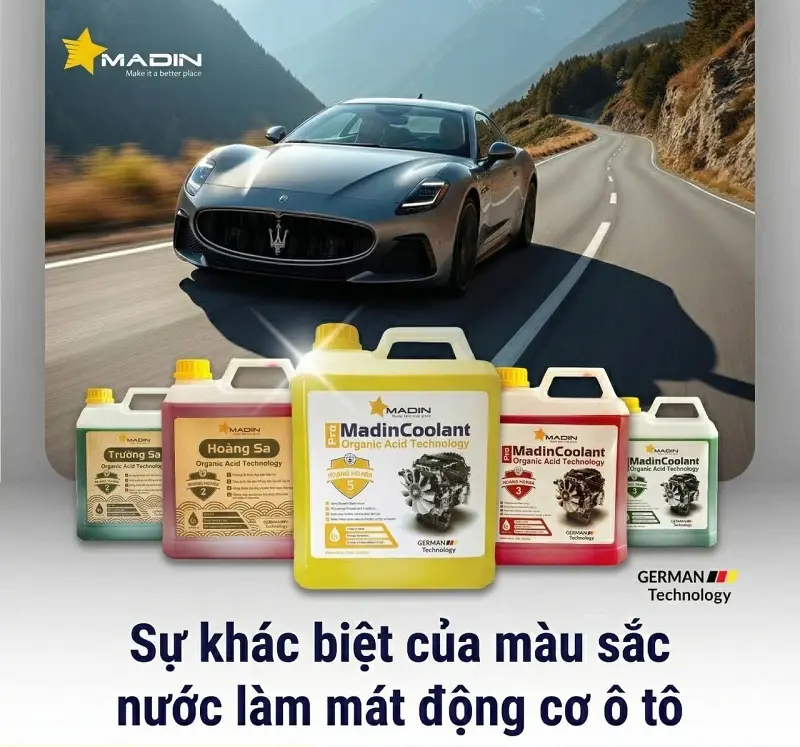
Green and blue – characteristic of traditional technology
Green or blue coolant is often associated with inorganic acid technology (IAT), which is commonly used on older cars. This type of solution contains additives such as silicate and phosphate, which create a quick protective layer on the metal surface to prevent corrosion. However, because these additives decompose relatively quickly, the life of the blue coolant is often short, requiring regular replacement. This is a clear difference from the colors of modern technology.
Red, pink and orange – represents modern technology
Colors such as red, pink or orange often appear in the cooling water of organic acid technology (OAT), which is widely used on new models. Different from the traditional type, OAT coolant does not use silicate or phosphate, but uses organic corrosion inhibitors, helping to protect the system in a long-term mechanism. As a result, the solution has a significantly longer life and requires less replacement. The color difference here reflects the change in technology and protection performance, which is especially suitable for modern cooling systems.
Yellow and variants – Hybrid technology balances performance
Yellow or light-orange coolant is usually a hybrid of organic acid (HOAT), which is a combination of IAT and OAT. The difference of this color group lies in the use of both organic inhibitors to prolong the life and add a small amount of silicate to increase the protection of metals, especially aluminum parts. Thanks to this combination, the cooling water provides a balance between durability, anti-corrosion efficiency and adaptability to many different types of engines.
Colorful but not interchangeable
Although there are many different colors, the coolant is not interchangeable based solely on the color. An important difference is that each color usually corresponds to a separate chemical formula, so using the wrong type or mixing colors can cause unwanted chemical reactions, reducing the cooling and protective effect. In addition, some cooling systems are specifically designed for each specific type of solution, so changing the color means changing technology can lead to damage in the long run. Therefore, color is only identifiable, while the decisive factor is still the type of technology and the suitability of the engine.
3. Risk of using the wrong type of coolant by color
The choice of coolant based solely on color is common mistake and can lead to many technical risks. These consequences not only affect the cooling performance but also directly affect the durability of the engine.
False mixing causes chemical reactions
When mixing other types of coolant technology, the additives can react with each other, forming residues or gels in the system. These substances reduce the circulation of the solution, causing blockage of the pipeline and reducing the efficiency of heat exchange. This is a common cause of poor cooling system after a period of misuse.
Increased risk of system corrosion
Each type of coolant is designed to fit the specific material in the system. If used in the wrong type, the ability to protect against corrosion will be reduced, leading to rust in water tanks, pipes or metal parts. In the long run, this situation can cause serious damage and incur large repair costs.
Reduces cooling and overheating
Inappropriate solution can reduce heat transfer, causing the engine temperature to rise above the allowable level. When overheating occurs continuously, details such as the gasket, piston or cylinder can be affected, reducing engine life and increasing the risk of failure.
Increase maintenance and repair costs
The wrong use of cooling water not only reduces operating efficiency but also leads to increased maintenance costs. Users may have to discharge the entire system, clean the water tank or replace damaged components. Therefore, choosing the right solution from the beginning is an important factor to save costs and ensure stable operation of the system.
4. Madin – quality car engine cooling water supply address
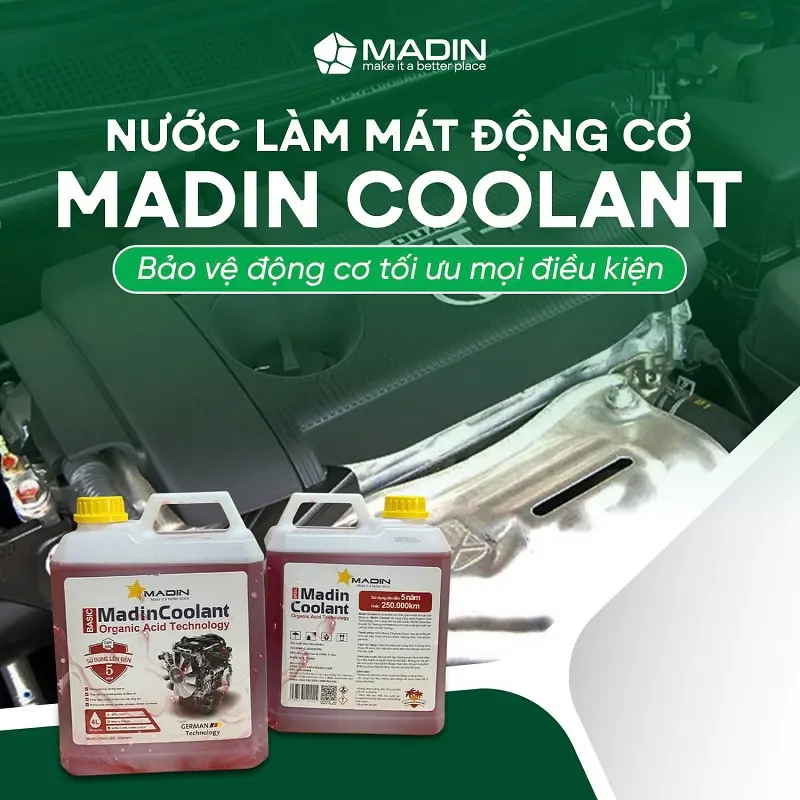
Madin is a unit specializing in providing chemical products and automotive additives, including engine coolant researched and developed according to clear technical standards. With experience in the field, Madin focuses on providing solutions to help cooling systems operate stably and durable in a variety of operating conditions.
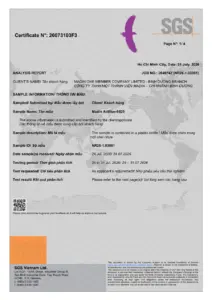
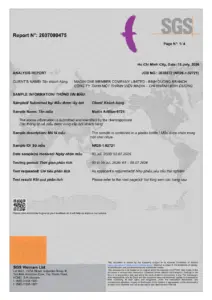
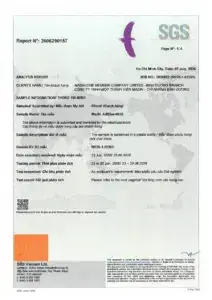
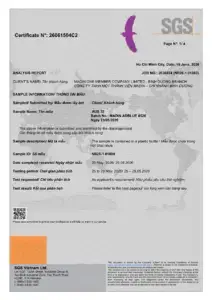
Madin Coolant is developed based on Organic Acid Technology (OAT), which helps to increase corrosion resistance, limit the formation of dirt and prolong the cycle of use. The solution does not contain harmful components such as silicate or phosphate, which in turn is suitable for many types of engines, especially systems using aluminum materials.
In addition to product quality, Madin also focuses on technical advice for users, supporting the selection of the right coolant for each vehicle model and actual use conditions. This is an important factor to optimize operational efficiency, minimize risks and ensure that the cooling system always maintains a stable state during use.
Contact information
MADIN COMPANY LIMITED
- Hanoi warehouse: 756B Nguyen Khoai – Thanh Tri – Hoang Mai – Hanoi
- Hotline: 0886634634
- Email: [email protected]
- Factory address: Road 206 Pho Noi A Industrial Park, Van Lam, Hung Yen
Epilogue
Understand the difference of Car engine coolant color Help users avoid making the wrong choice and limit the risk when operating. In fact, color is not a decisive factor, but technology and solution standards are the core factors. Compliance with manufacturer’s recommendations and not arbitrarily mixed will help the cooling system operate stably. In addition, products from Madin As Madin Coolant is developed according to modern technology, meeting the requirements of engine protection in many different operating conditions.