


For diesel vehicles using SCR technology, AdBlue is an essential fluid to control emissions and ensure the vehicle operates in compliance with environmental standards. However, in reality, many drivers and vehicle owners still do not fully understand how to properly refill AdBlue, leading to errors such as fluid contamination, SCR fault codes, or affecting the performance of the exhaust gas treatment system. Understanding the correct procedure for topping up AdBlue will help the vehicle run smoothly, prevent damage, and optimize long-term operating costs.
1. Where is the AdBlue refill location on a truck?
Before carrying out the proper procedure on how to refill AdBlue fluid for a truck, users need to accurately locate the AdBlue tank on the vehicle. Depending on the manufacturer and vehicle model, this location may vary, but all are designed for convenient fluid refilling.
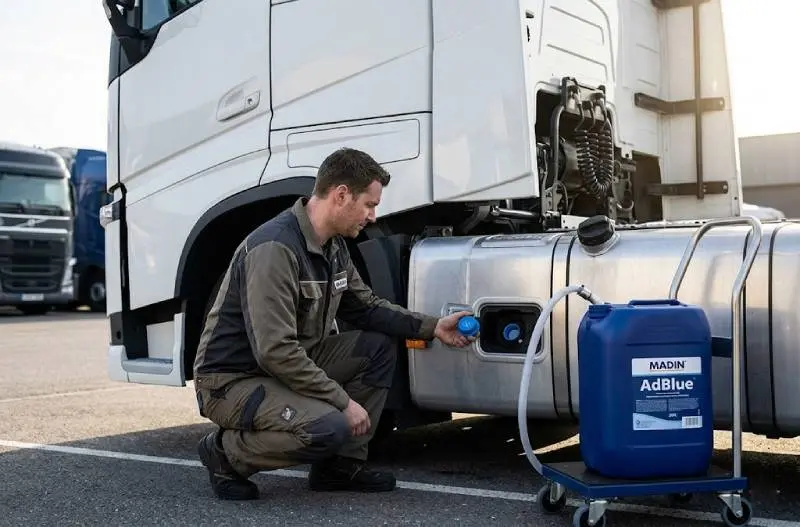
For trucks, the AdBlue solution filler neck is usually located next to the diesel fuel filler neck or behind the cabin. On some modern vehicle models, the AdBlue tank is positioned separately on the side of the chassis to make checking and topping up easier.
Users need to carefully check the symbol on the tank cap before refilling. Accidentally pouring AdBlue into the diesel fuel tank can cause severe damage to the fuel system and result in significant repair costs.
2. What needs to be prepared before refilling AdBlue fluid for a truck?
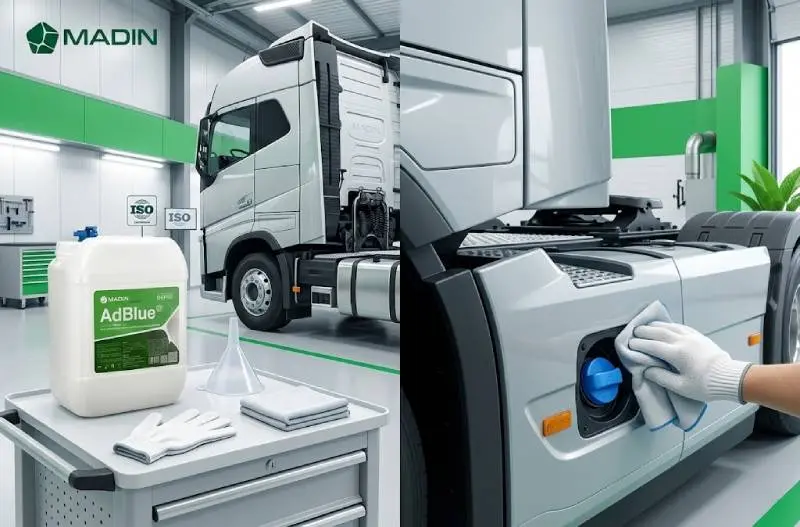
To ensure that topping up AdBlue is safe and does not affect the SCR system, users should prepare all necessary tools and check the quality of the fluid before proceeding.
- ISO 22241-compliant AdBlue solution: This is the most important factor. Compliant AdBlue will have the appropriate purity, helping the SCR system operate stably and minimizing crystallization in the pipes or injectors.
- A clean funnel or dedicated pouring spout: Dedicated tools should be used for AdBlue. Do not share with lubricants, fuel, or other chemicals to avoid contamination.
- Clean cloth: Used to clean the filler neck area before and after refilling to prevent dirt, moisture, or impurities from entering the reservoir.
- Protective gloves: Help ensure cleaner operation and prevent contaminating the solution during refilling.
- Inspect the AdBlue refill area: Before opening the tank cap, check if there is dirt, rainwater, or grease around the filler neck.
- Inspect the AdBlue solution: Do not use discolored solution, solution with sediment, signs of crystallization, or unknown origin.
Proper preparation from the start helps the AdBlue refilling process go smoothly and quickly, reduces SCR system errors, and ensures the vehicle’s exhaust gas treatment efficiency.
3. How to properly add AdBlue solution to trucks
Refilling AdBlue is not overly complicated, but it must be done following the correct procedure to avoid contaminating the solution or affecting the SCR exhaust emissions control system. Below are the steps applied by many vehicle manufacturers and transport companies during actual operation.
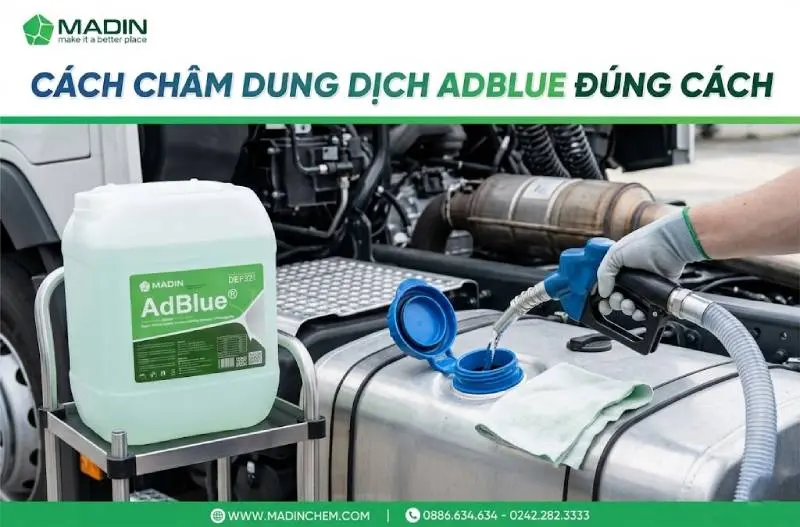
Step 1: Park safely and turn off the engine
Before topping up AdBlue, park the vehicle on a level surface, engage the handbrake, and completely turn off the engine. This helps ensure safety during the process and avoids any impact from vibrations or system pressure. For vehicles that have just been driven long distances, it is advisable to wait a few minutes for related components to stabilize before adding the fluid.
Step 2: Inspect and clean the filler neck area
After identifying the correct location of the AdBlue tank, users need to check the condition of the filler neck before opening the cap. If this area has dirt, grease, or standing water, wipe it thoroughly with a clean cloth. This is an important step that is often overlooked. Even a small amount of impurities entering the tank can degrade the fluid quality and affect the AdBlue injector or the SCR catalyst.
Step 3: Refill AdBlue using proper technique
Place a clean funnel or connect a specialized refilling nozzle to the tank neck. Then slowly pour the AdBlue fluid into the tank to prevent spilling or foaming. Do not pour too quickly as it may cause fluid loss and stain the surrounding area. Most manufacturers recommend filling to only about 90-95% of the tank capacity. Leaving a small gap allows the fluid to expand stably as ambient temperatures change.
Step 4: Securely close the tank cap after refilling
After completing the fluid refill, recheck the filler neck and wipe away any remaining AdBlue on the outside if present. Next, tighten the tank cap securely to prevent moisture and dirt from entering inside. An improperly sealed tank can reduce the quality of the fluid over time and affect the operational efficiency of the SCR system.
Step 5: Start the vehicle and check the system
Start the engine and observe the dashboard after topping up AdBlue. Some vehicle models require a few minutes of operation for the sensor to update the fluid level in the tank. If the AdBlue or SCR warning light remains on, recheck the amount of fluid added or bring the vehicle to a technical service facility to check the system. Confirming the operational status after topping up helps users detect arising issues early and ensures the vehicle always operates smoothly.
4. How often do trucks need to be topped up with AdBlue?
The AdBlue consumption rate of each vehicle varies depending on payload, operating conditions, travel distance, and engine technology. However, for most trucks and tractor-trailers using SCR systems today, AdBlue consumption is usually equivalent to about 4-6% of diesel fuel consumption. For long-distance coaches, this ratio typically ranges from 3-5%.
Instead of waiting for the tank to run completely empty, drivers should monitor the AdBlue gauge on the dashboard. When the system displays a low-level warning or SCR warning, fluid should be added as soon as possible.
If you continue to operate the vehicle when the AdBlue tank is nearly empty, many vehicle models will automatically limit engine power to ensure compliance with emissions standards. In stricter cases, the vehicle may not allow the engine to start when the fluid is completely depleted.
Checking the AdBlue level during periodic maintenance or before long trips will help vehicle owners be more proactive in operation and minimize unexpected issues.
5. AdBlue® By Madin – Quality AdBlue Solution for Trucks
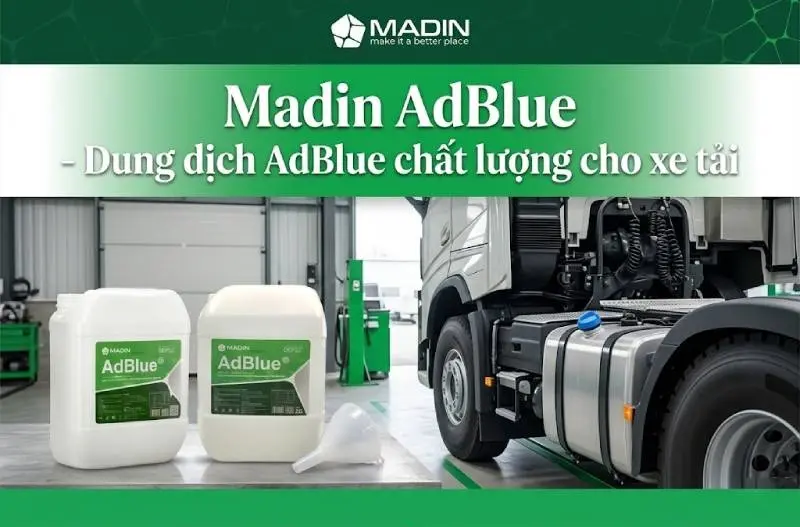
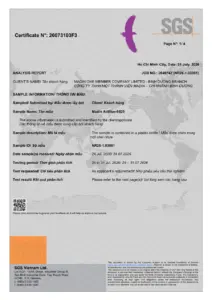
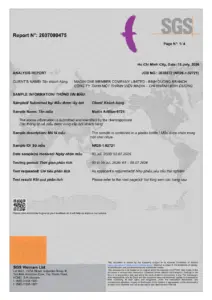
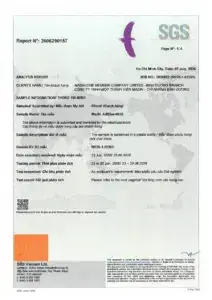
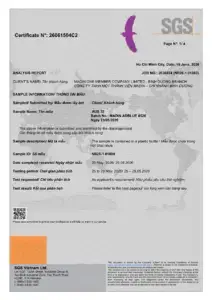
AdBlue® By Madin is a solution chosen by many transport enterprises and diesel vehicle owners to ensure the efficient and stable operation of SCR systems over a long period. The product is manufactured with standard ingredients consisting of 32.5% pure urea and 67.5% deionized water, meeting the quality requirements for diesel exhaust fluid.
AdBlue® By Madin meets German VDA standards, making it suitable for various trucks, tractor-trailers, buses, and passenger cars using SCR technology. When used correctly, the product helps reduce NOx emissions by up to 90%, helping vehicles meet current Euro 4, Euro 5, and Euro 6 emission standards.
In addition to exhaust treatment efficiency, AdBlue® By Madin contributes to maintaining the durability of the SCR system, minimizing crystallization in pipes and injectors, thereby reducing the risk of NOx sensor or exhaust system errors.
The product is supplied in various packaging options such as 10L, 20L canisters, 200L drums, 1000L tanks, and high-capacity pump dispenser systems, suitable for individual needs as well as businesses with large-scale transport fleets. This is a choice worth considering for organizations in need of a stable, standardized AdBlue supply suited to actual operating conditions in Vietnam.
Conclusion
Mastering how to refill AdBlue fluid not only helps the SCR system operate efficiently but also contributes to protecting the engine, reducing emissions, and avoiding unnecessary repair costs. Besides proper refilling techniques, choosing a standard-compliant fluid also plays an important role in the lifespan of the entire exhaust gas treatment system. AdBlue® By Madin, featuring international standard ingredients and stable quality, is a suitable solution for many current diesel vehicles. If you need advice on product selection or instructions for proper use, please contact Madin for detailed support.
CÔNG TY TNHH MTV MADIN
- Address: 13 – Le Ngung, Tran Hung Dao Ward, Quang Ngai City, Quang Ngai Province, Vietnam.
- Hotline: +84 888 718 778
Factory:
Northern Region
- Address: Road 206, Pho Noi A Industrial Park (Thanh Ha Warehouse), Lac Hong Commune, Van Lam District, Hung Yen, Vietnam.
- Hotline: +84 857 529 222
Southern Region
- Address: 180 Thong Nhat, Binh Thang, Di An City, Binh Duong, Vietnam
- Hotline: +84 888 718 778
Warehouse:
- Hanoi: 706 Nguyen Khoai – Thanh Tri – Hoang Mai – Hanoi
- Nghe An: Dien Hong Industrial Park – Dien Chau – Nghe An
- Da Nang: 303 Le Dai Hanh – Hoa Phat – Cam Le – Da Nang
- Quang Ngai: 13 Le Ngung, Tran Hung Dao Ward, Quang Ngai City, Quang Ngai Province