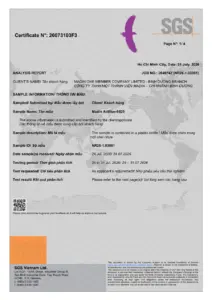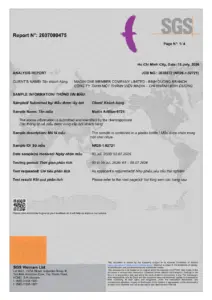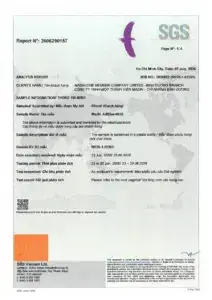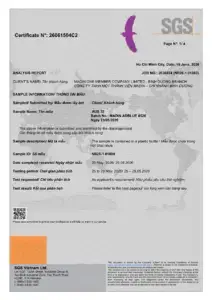



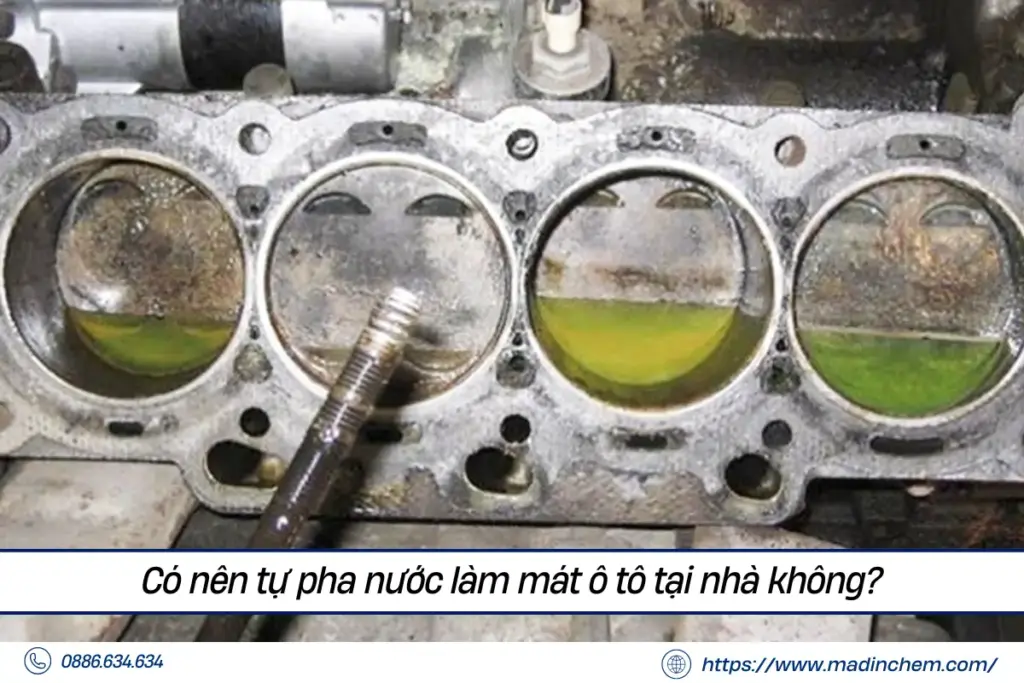
Cooling water plays an important role in the operation of car engines. Not only does it help reduce heat, this solution also protects metal parts from rust and corrosion. However, many people still wonder: Should you make your own coolant at home? Let’s find out with Madin now.
1. What is car cooling water?
Cooling water is a mixture of distilled water and antifreeze chemicals – anti-rust, mainly ethylene glycol or propylene glycol. This mixture is put into the water tank, circulating through the engine for absorption and cooling.
Depending on the type of vehicle, the climate of the region used and recommendations from the manufacturer. Therefore, the ratio of cooling water preparation will be different. Therefore, choosing the right type and the right mix is extremely important.
2. When to make your own cooling water at home?
The cooling of the coolant can be applied in the following cases:
- You have a basic knowledge of the cooling system and know the type of solution that is suitable for the vehicle.
- The car uses common cooling technology, does not require special coolant.
- You have carefully consulted the manufacturer’s instructions or consulted by a reputable technician.
- Standard distilled water and stock solutions are available.
However, if your car is a high-end line, using separate cooling technology, then Don’t make your own at home. Using the wrong type of coolant can cause unpredictable damage.
3. The pros and cons of making your own cooling water at home
Advantages:
- Cost savings: Compared to buying a ready-made solution, self-mixing will be cheaper.
- Active in the ratio: You can adjust the ratio of distilled water – the stock solution according to your needs (e.g., winter needs stronger antifreeze).
- Easy to find ingredients: Distilled water and original coolant can be purchased easily at auto parts stores or online.
Cons:
- Risk of misphase: If the phase is not correct, the cooling effect will be reduced. It even damages the cooling system.
- Easy to use the wrong type of solution: Not all anticoagulants are compatible with your engine. Using the wrong type can cause precipitation or corrosion.
- Lack of quality control: Improper mixing can cause the solution to be easily degraded or contaminated with impurities.
4. Conclusion
Cooling water directly affects the durability and performance of the engine. Self-mixing at home is a reasonable choice if you are careful, understand the technique and type of vehicle. However, if you are not sure, do not hesitate to consult a specialist. In fact, the cost of changing the coolant water is much lower than repairing the engine due to overheating. If you are looking for a standard quality coolant product, visit the website immediately www.madinchem.com And contact Madin now for advice!