


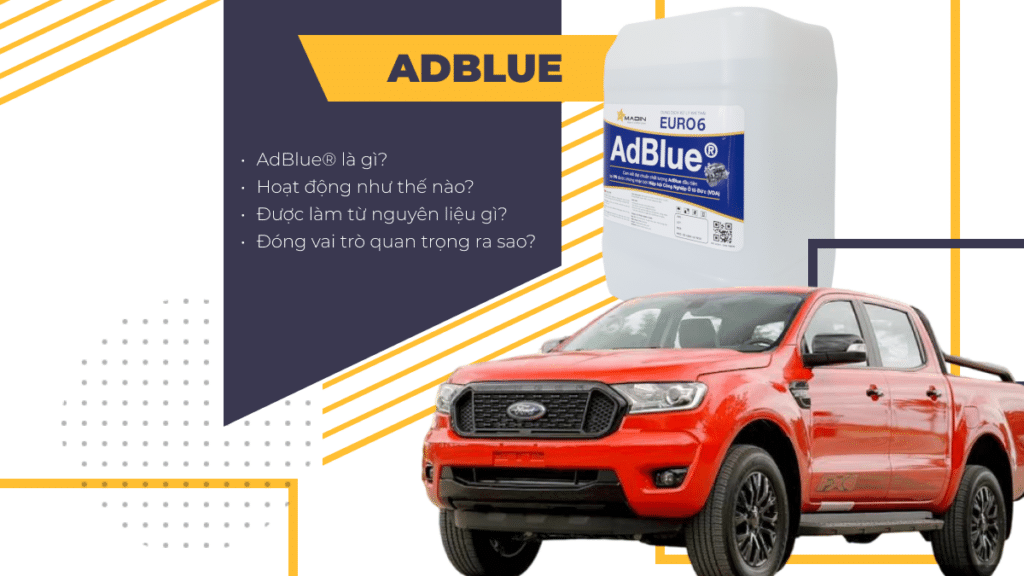
What is Adbue? – Do you own a diesel vehicle? Then you most likely need to use AdBlue®, the AdBlue (DEF) diesel exhaust gas treatment solution that is commonly used in automobiles, light commercial vehicles, heavy trucks, buses, and coaches..
- So what is AdBlue®?
- How does it work?
- What materials are made from?
- How important is it to ensure the performance and safety of your car?
Let’s find out more details through the following article!
What is AdBlue?
AdBlue® is an AdBlue (DEF) exhaust gas treatment solution mixture used in all heavy-duty diesel engines manufactured after January 1, 2010 and most commercial vehicle and car diesel engines manufactured after September 2015 – mostly Euro 6 compliant models. AdBlue® is not a fuel additive because it is added to the exhaust gas after combustion has occurred..
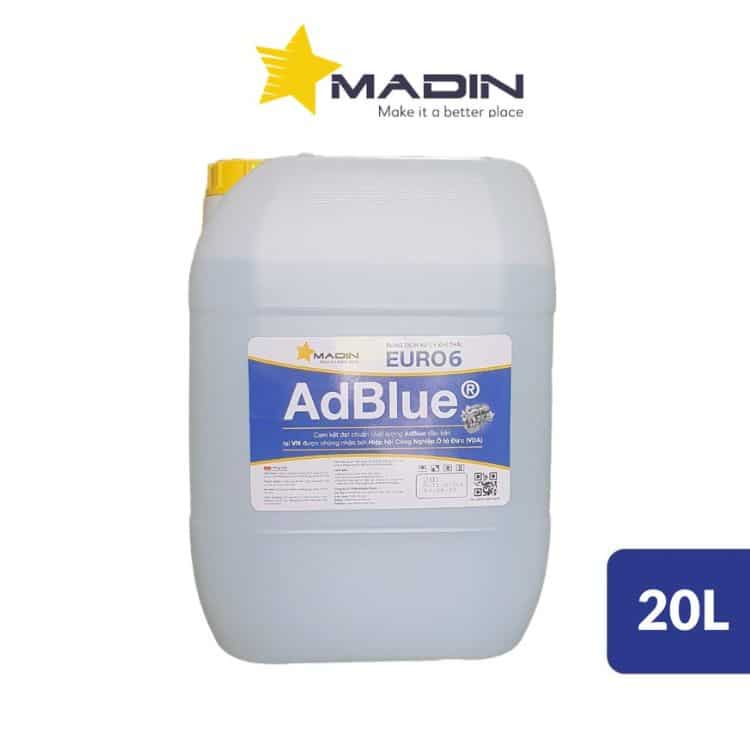
AdBlue® solution helps reduce Nitrogen Oxide (NOx) emissions. Nitrogen oxide is a toxic gas that can harm the human respiratory system, reduce lung function, increase exposure to allergens, and the risk of respiratory diseases. It promotes the formation of fine dust and ground ozone pollution – harming both health and vegetation.
It is for these reasons that governments set limits on the NOx emissions of diesel vehicles and encourage the use of AdBlue®. This improves air quality and minimizes the risk of morbidity and death associated with diesel pollution.
What is Adbue? The term AdBlue® is the global trademark of the German Automotive Industry Association (VDA) in relation to DEF manufactured in accordance with ISO 22241 specification.
What is AdBlue® made of?
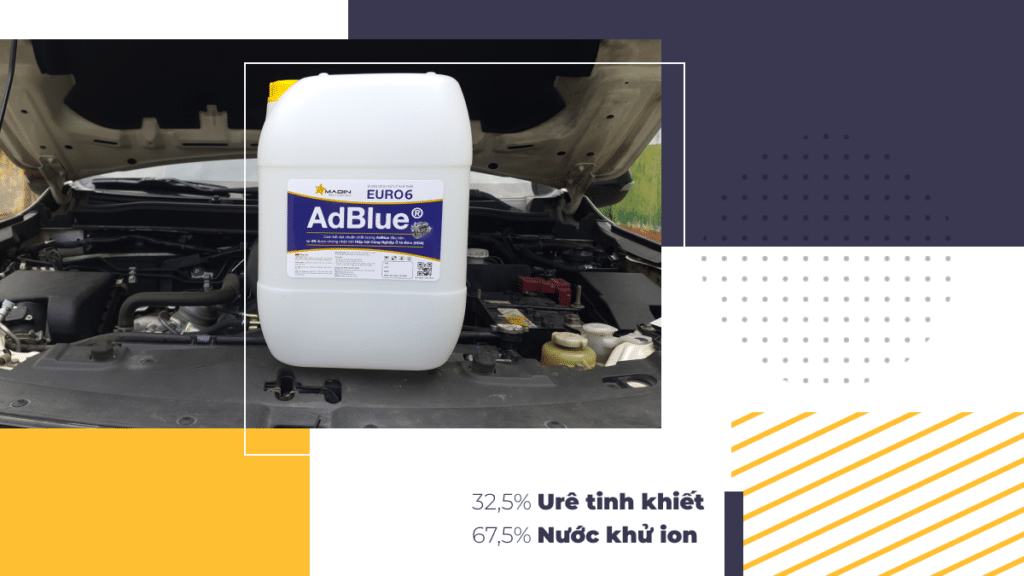
AdBlue® is made from a colorless mixture of high-purity urea (32.5%) and deionized water (67.5%), according to ISO 22242. Urea contains ammonia; the active ingredient in AdBlue® reacts with NOx and neutralizes it before it enters the atmosphere.
How does AdBlue® work?
AdBlue® works in conjunction with a vehicle engine’s selective catalytic reduction (SCR) system to reduce nitrogen oxide (NOx) emissions. Vehicles that use active emissions control technology can often be identified by using ‘SCR’ or ‘Blue’ in their model names.
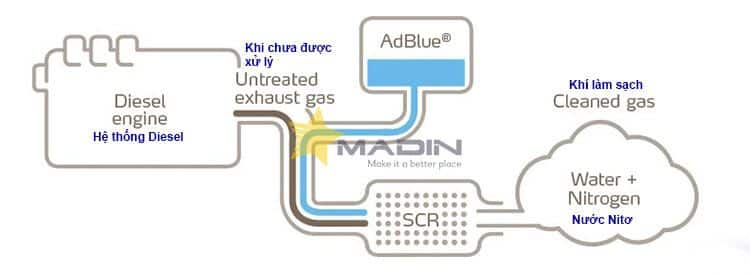
After the exhaust gas passes through the diesel particulate filter, the AdBlue® DEF is sprayed and mixed into the exhaust gas via a dosing control system as it enters the SCR catalytic converter. Here, the ammonia in the urea reacts with NOx in the exhaust airstream, neutralizing it to harmless nitrogen (N2) and water vapor (H2O), while further reducing total fuel consumption by 2-6%.
AdBlue and SCR systems are highly efficient, resulting in a reduction in NOx emissions by up to 90%, hydrocarbon and carbon monoxide emissions by 50-90%, and particulate emissions by 30-50%.
Frequently Asked Questions About AdBlue
Does my car need AdBlue®?
If your vehicle is a diesel vehicle, then it is very likely that AdBlue® will be needed. If you are unsure, refer to your vehicle’s manual or find the AdBlue cover located next to the fuel tank cap, under the capo, or in the trunk.
What vehicles use AdBlue®?
If your diesel vehicle was registered after September 2015, then it is likely to use AdBlue®. Usually, the model name will have the words ‘SCR’ or ‘Blue’, and if the vehicle is manufactured by a European manufacturer, then the use of AdBlue® technology is more likely.
How long does AdBlue® last and how much AdBlue® should I use?
The AdBlue® consumption rate depends on many factors, including the size of the vehicle’s engine, driving style, and terrain:
- Motor Dimensions: Large engine vehicles typically consume more AdBlue® than small engine vehicles.
- Driving Style: Driving at high speeds or highways often consumes more AdBlue® than driving in a city or mixed road..
- Moving terrain: Driving on hilly or sloping terrain often consumes more AdBlue® than driving on flat roads..
On average, a modern diesel car consumes about 1 liter of AdBlue® every 30km to 100km. However, this number may fluctuate depending on the above factors.
Most diesel vehicles have an AdBlue® level indicator light on the dashboard. When this indicator light is on, you need to refill AdBlue® as soon as possible. Lack of AdBlue® may cause the vehicle to fail to start..
The size of the AdBlue® tank on the vehicle ranges from 18 to 60 liters. Information on the size of your vehicle’s AdBlue® tank can be found in the vehicle’s owner’s manual or by contacting an authorized dealer.
Where to buy AdBlue®?
- You can buy AdBlue® at Madin’s gas stations, authorized dealers, auto parts stores, or online purchases.
- When loading AdBlue®, make sure to use the correct type of AdBlue® and follow the manufacturer’s instructions.
Note:
- No water substitutes for AdBlue®.
- Avoid contact with the skin or eyes of the AdBlue®. If the AdBlue® sticks, rinse with water.
- Store AdBlue® in a cool, dry place away from direct sunlight.
Above are the answers about what is Adbue? Uses as well as activities and applications, for a better understanding, please contact the hotline +84 886 634 634 for the best advice and support!