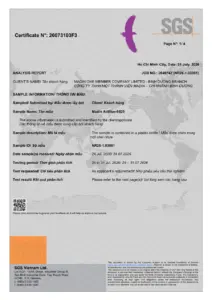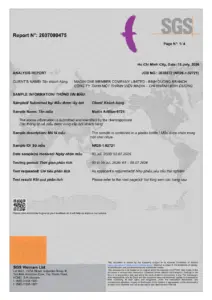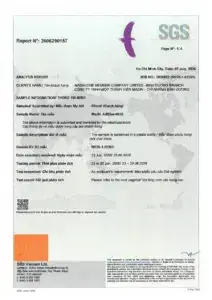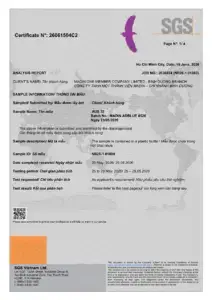



During long-haul truck operation, many owners often focus on engine oil, tires, or braking systems, but don’t pay enough attention to the coolant in the radiator. However, this is a component that directly affects the engine’s stable operation under heavy loads and continuously high temperatures. This fact has led many to question its proper functioning. What type of coolant should be used for heavy trucks? To meet operational needs and minimize problems in the cooling system, read Madin’s article below for details!
1. Why do heavy trucks need to use specialized coolant?
The cooling system on heavy trucks must work continuously to maintain a stable engine temperature during high-load operation. Using the wrong coolant can lead to scale buildup, reduced heat dissipation efficiency, and various engine-related malfunctions.

Heavy-duty truck engines are always operating at high intensity.
When trucks operate long distances or carry heavy loads continuously, engine temperature rises rapidly, and the cooling system must work constantly to control the heat. If the cooling capacity is unstable, the engine may overheat, affecting operating performance and component lifespan. Therefore, trucks need to use specialized coolant that has good thermal stability and maintains cooling efficiency over a long period.
Ordinary water can easily cause scale buildup in the water tank.
Many drivers still habitually use tap water or well water to top up the radiator when the coolant level is low. However, these types of water often contain minerals such as calcium and magnesium. When exposed to high temperatures, these minerals will precipitate and adhere to the radiator walls, pipes, or metal surfaces inside the engine. Over time, the accumulated dirt will reduce heat exchange efficiency and increase the risk of clogging the cooling system.
Specialized coolants help protect the engine system.
In addition to temperature control, specialized coolants also contain additives that help prevent corrosion, foaming, and cavitation in the engine. This is crucial for trucks that frequently operate under heavy load. When the cooling system is well protected, components such as the radiator, water pump, and engine water jacket are also less likely to be damaged by rust or metal corrosion.
It helps extend the lifespan of your vehicle and reduce maintenance costs.
Using the correct type of coolant helps the system operate more stably over the long term. Maintaining the engine at the appropriate temperature reduces stress on mechanical parts, minimizes breakdowns, and lowers repair costs. Furthermore, regular coolant changes combined with radiator cleaning help the vehicle maintain stable performance under continuous operation.
2. What type of coolant should be used for heavy trucks?
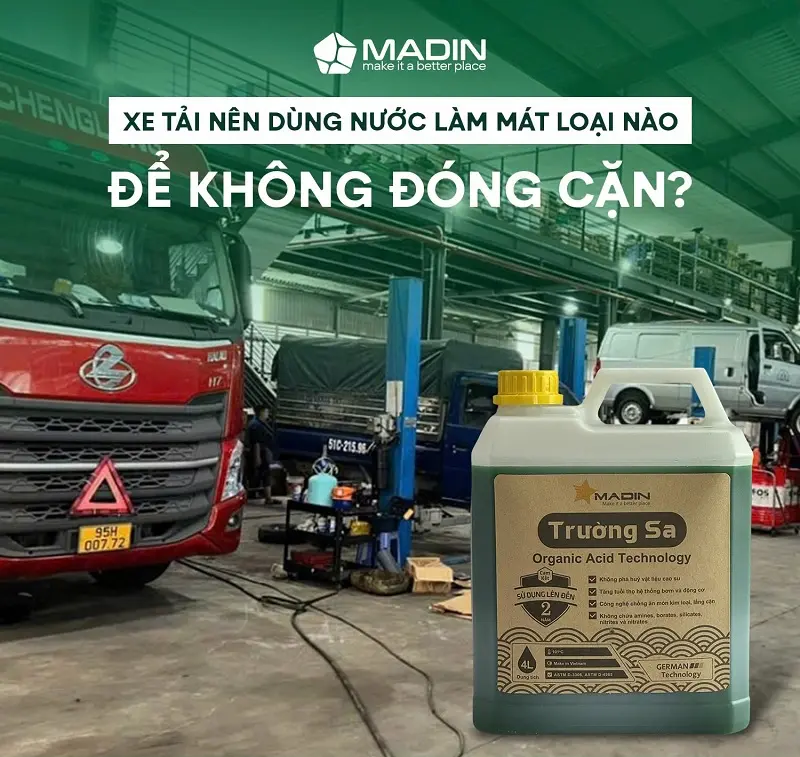
For heavy trucks, choosing the right coolant is crucial not only for controlling engine temperature but also for preventing scale buildup, corrosion, and damage to the cooling system. Trucks typically operate continuously under heavy loads, requiring the cooling system to work at high intensity. Using the wrong type of coolant or substituting regular water will significantly reduce cooling efficiency over time.
Currently, OAT (Organic Acid Technology) coolants are considered suitable for heavy-duty and long-distance trucks. This technology uses organic additives to protect the cooling system without creating a thick coating on metal surfaces like traditional coolants. As a result, heat exchange is maintained more stably and scale formation in the radiator is reduced.
Some important criteria when choosing coolant for trucks include:
- It has the ability to prevent scale buildup in water tanks and pipes.
- Protects against corrosion of metals such as aluminum, steel, and alloys.
- Reduces foaming and cavitation in the engine.
- Maintain stable heat dissipation during continuous vehicle operation.
- Meets technical standards such as ASTM or JIS
- Compatible with various vehicle cooling systems.
Besides the type of coolant used, the mixing ratio is also a crucial factor. Typically, concentrated coolant needs to be diluted with purified water at an ethylene glycol/water ratio of 30/70 or 50/50. This ratio helps balance cooling performance, prevent overheating, and protect the system during operation.
Conversely, using tap water or well water to replace coolant is a common cause of scale buildup in the radiator. Minerals in the water, when exposed to high temperatures, precipitate and adhere to the inner surfaces of the cooling system. Over time, this scale reduces heat exchange efficiency, causing the engine to overheat and increasing the risk of engine damage.
In addition to choosing the right type of coolant, vehicle owners should also regularly check the coolant reservoir and replace it periodically, approximately every 2-3 years. When replacing the coolant, the radiator should be flushed to remove any remaining sediment in the system. This is a necessary step to maintain stable cooling efficiency for heavily operated trucks.
3. Madin Coolant – Coolant solution for heavy trucks
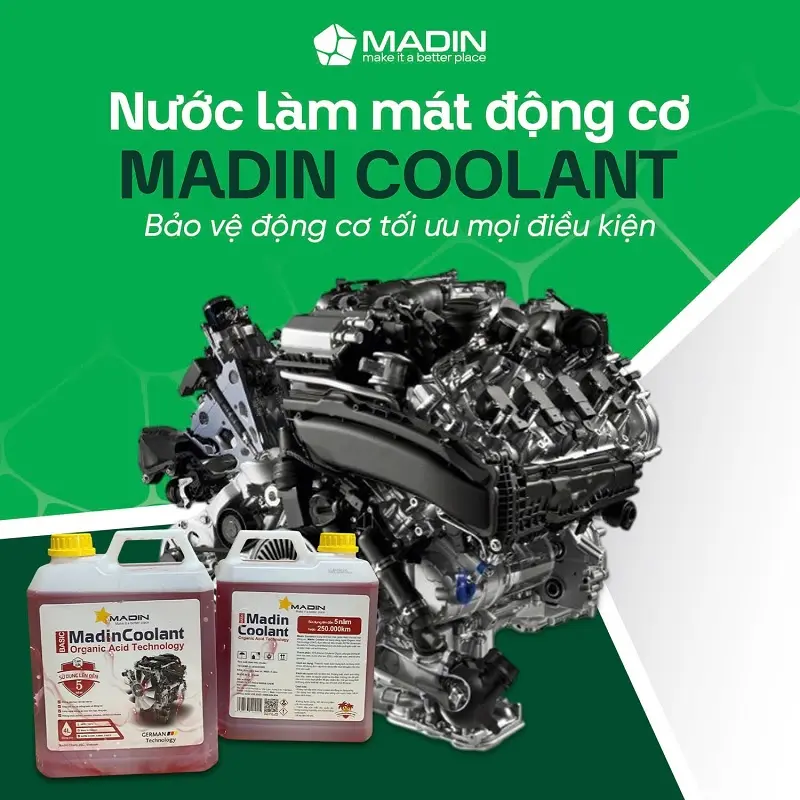
Under conditions of continuous truck operation and heavy loads, the cooling system requires a fluid with good thermal stability and minimal long-term deposit buildup. Madin developed Madin Coolant to meet the cooling needs of various diesel, gasoline, and natural gas engines under real-world operating conditions.
Madin Coolant utilizes Organic Acid Technology (OAT), providing more effective protection for the cooling system during high-temperature vehicle operation. Unlike traditional coolants, OAT technology focuses on protecting areas at risk of corrosion without creating a coating over the entire metal surface. This helps limit deposit formation and maintain stable heat exchange.
Some of the features of Madin Coolant include:
- Reduce limescale buildup in water tanks and pipes.
- Protecting metal components in the cooling system from corrosion.
- Helps maintain engine temperature stability when the vehicle is operating under heavy load.
- Reduce foaming and the risk of cavitation.
- Does not contain substances such as: Amines, borates, silicates, nitrites, nitrates, phosphates
- Meets ASTM and JIS standards.
For trucks that frequently travel long distances or operate continuously, using the appropriate coolant helps the cooling system function more smoothly and reduces the risk of engine temperature-related damage. In addition, Madin recommends that users regularly check the coolant level, replace the coolant periodically, and clean the radiator when there are signs of deposits or dirt buildup in the system.
Choosing the right coolant not only helps protect the engine but also contributes to maintaining stable operating performance for the truck over the long term.
Conclusion
Knowing What type of coolant should be used for heavy trucks? Not only does it help stabilize engine temperature, but it also contributes to reducing deposits, preventing corrosion, and extending the lifespan of the operating system. For vehicles that frequently carry heavy loads or operate long distances, OAT technology coolants are preferred, offering durable and long-lasting protection. With our experience in the automotive additive and coolant field, MADI Madin Coolant offers suitable coolants for a wide range of truck models and real-world operating conditions. Contact Madin for advice and to select the right coolant for your engine system.
MADIN ONE-MEMBER LIMITED LIABILITY COMPANY
- Hanoi Office: 756B Nguyen Khoai Street – Thanh Tri Ward – Hoang Mai District – Hanoi
- Hotline: 0886634634
- E-mail: [email protected]
- Factory address: Road 206, Pho Noi A Industrial Zone, Van Lam, Hung Yen