


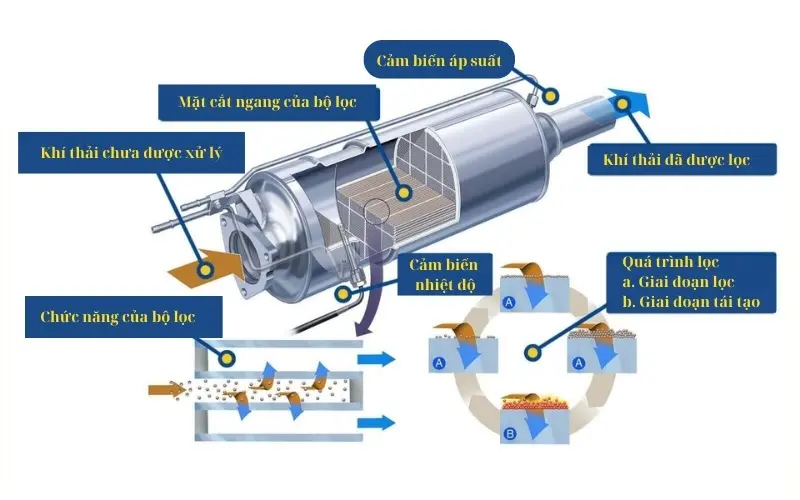
In modern diesel vehicles, the exhaust gas treatment system plays an important role in controlling the amount of soot and emissions generated during operation. After use, the DPF exhaust filter can accumulate carbon deposits, dust and soot, causing a significant decrease in exhaust air circulation. This is also the cause of the vehicle reporting emissions, reducing capacity or consuming more fuel than usual. Therefore, the cleaning the DPF exhaust filter properly is a necessary step to maintain the operating efficiency of the diesel engine.
1. Signs of a clogged DPF exhaust filter
The DPF system on diesel engines is responsible for retaining soot and dust particles generated during fuel combustion. After a period of use, if not properly regenerated or cleaned, the filter can become clogged, directly affecting the vehicle’s operating performance. Early recognition of abnormal signs will help limit the spread of damage and reduce repair costs.
DPF warning light appears on the instrument panel
One of the most common signs when a DPF exhaust filter is having a problem is the DPF warning light that appears on the control panel. This symbol is usually yellow or orange and indicates that the amount of soot that has accumulated in the filter has exceeded the allowable level. When the warning light is illuminated, the system is requiring a DPF regeneration or cleaning process to restore exhaust air circulation. If it continues to operate for long periods of time without treatment, the blockage can become more serious and affect other parts of the exhaust system.
Vehicle power loss or engine stagnation
When the DPF is clogged, the exhaust air flow cannot circulate normally, which will make the engine work harder. The driver may clearly feel that the vehicle accelerates slowly, the engine stalls, or reduces its ability to operate under heavy loads. On diesel trucks, this phenomenon is usually apparent when the vehicle climbs a hill or moves at high speeds. In many cases, the ECU can activate the engine protection mode, limiting the vehicle’s power to limit damage to the exhaust system.
Abnormally increased fuel consumption
A DPF with a lot of soot will cause the fuel combustion process to no longer be as efficient as usual. The engine must work more to maintain power, thereby increasing fuel consumption significantly. If you notice that the car consumes more diesel even though the operating conditions have not changed, users should check the exhaust system and operating status of the DPF to detect the blockage early.
Poor circulation of exhaust and increased back pressure
When the DPF filter is sealed by carbon deposits and carbon black, the exhaust pressure in the system increases. This condition is also known as back pressure, which directly affects the ability of the engine to escape. If left untreated, the exhaust system temperature may rise abnormally high and shorten the life of the turbo, EGR valve or related components. Therefore, when poor exhaust gas circulation is detected or the engine shows signs of abnormal heating, it is necessary to check the DPF as soon as possible.
2. Instructions for cleaning the DPF exhaust filter properly
The DPF exhaust filter needs to be cleaned periodically to ensure the ability to filter soot and maintain the efficiency of the diesel engine’s exhaust treatment. If the amount of carbon deposits accumulates too much, the system will be clogged and affect the operation of the vehicle. Depending on the level of fouling and usage, the user can apply appropriate cleaning methods to maintain the life of the DPF.
Use of Operational Regeneration
Operational regeneration is a method of cleaning the DPF by increasing the exhaust temperature to burn off the soot that accumulates inside the filter. When the DPF warning light appears on the instrument panel, the driver should keep the car operating at a steady speed on long roads or highways. Normally, the car needs to maintain a speed of about 64 km/h with an engine rpm of nearly 2500 rpm for about 15-25 minutes for the regeneration process to take place effectively.
During this process, the exhaust temperature will rise, which converts soot into gas and pushes it out through the exhaust system. This is a method often applied by vehicle manufacturers to support DPF self-cleaning under suitable operating conditions. However, for vehicles that frequently run short distances or operate in urban areas, the regeneration process may not take place adequately, causing soot to continue to accumulate.
Using DPF cleaning additives
In addition to the active regeneration process, users can use the DPF cleaning additive to support the decomposition of carbon deposits and soot inside the exhaust system. Specialized cleaning solutions increase cleaning efficiency and limit clogging when the vehicle is operating for a long time.
When used, the additive will be introduced into the system according to the manufacturer’s instructions and operated during the operation of the vehicle. The catalytic component in the solution supports the combustion of carbon black more easily, while helping to reduce the amount of residue accumulated inside the DPF. Periodic use of the additive also helps to reduce back pressure, support the stable operation of the engine and improve fuel combustion efficiency.
However, if the DPF warning light continues to appear after applying the additive and performing reconstruction, the user should take the vehicle to the garage for an in-depth inspection and cleaning of the system using specialized equipment.
Maintain stable operating DPF
To limit DPF blockage, users need to maintain the habit of using and maintaining the exhaust system properly. The use of good quality diesel fuel will help reduce the amount of soot generated during combustion. At the same time, it is recommended to periodically check the SCR, EGR and DPF systems to detect scaling or exhaust gas blockage early.
In addition, it is not recommended to remove the DPF from the vehicle on your own as this may affect the operating system and not meet the emission standards of modern diesel engines. In the event of a severe clog of the DPF, professional cleaning will help restore operational efficiency and extend the life of the exhaust system.
3. Madin Cleaner – Quality DPF Flue Filter Cleaning Solution

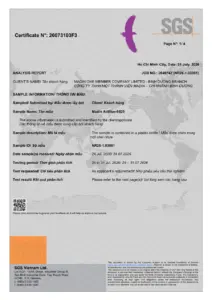
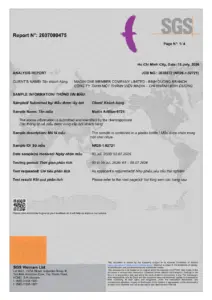
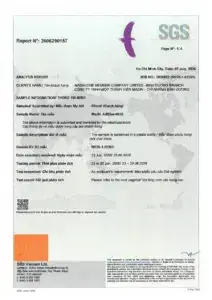
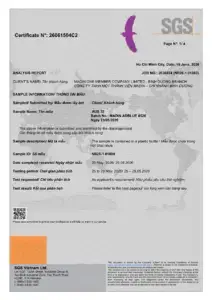
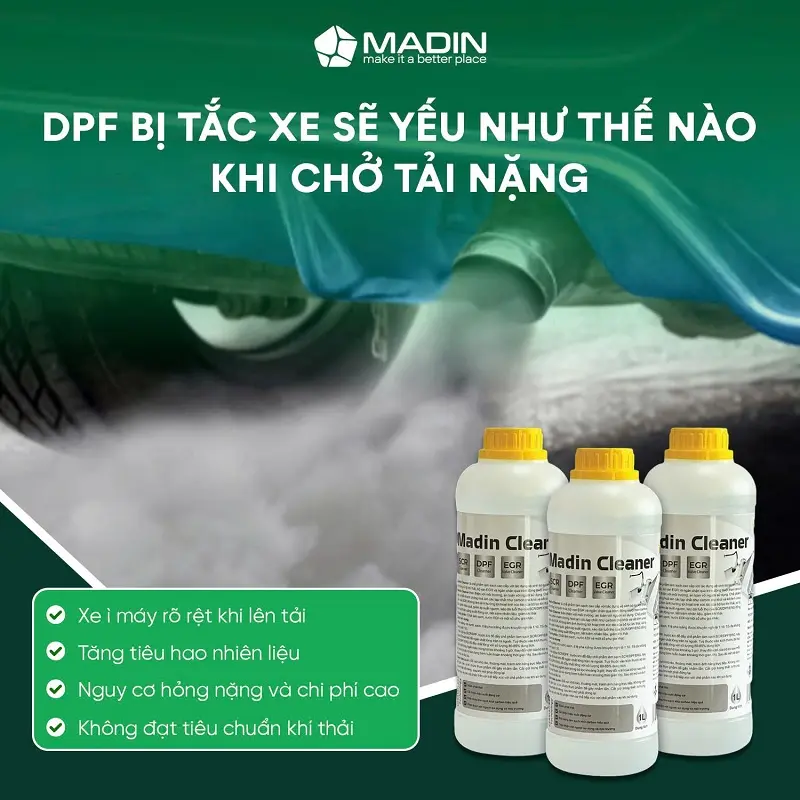
Madin Cleaner SCR/DPF/EGR is a diesel exhaust system cleaning solution developed to assist in the cleaning of carbon deposits, soot and impurities accumulated during engine operation. The product is used for many parts of the exhaust gas treatment system such as DPF filters, SCRs, EGR valves and Catalytic Converters.
The solution is capable of dissolving carbon deposits and treating soot deposits inside the exhaust system without affecting the catalytic activity of the filter. Periodic cleaning helps to limit blockages, reduce back pressure and support more efficient exhaust air circulation. In addition, Madin Cleaner also supports cleaning of diesel intake nozzles, making fuel combustion more stable and reducing fuel consumption during operation.
One of the advantages of Madin Cleaner is its ability to support the restoration of engine performance when the exhaust system is deposited for a long time. The removal of soot and impurities helps the engine to operate more stably, reduces harmful emissions, and supports extending the life of SCR, DPF, and EGR components.
The solution is recommended to be diluted with clean water in the right ratio before use to soak the exhaust filter. During use, it is necessary to strictly comply with technical instructions to ensure cleaning efficiency and safety for the diesel engine system.
MADIN CO., LTD
- HN Office: 756B Nguyen Khoai – Thanh Tri – Hoang Mai – Hanoi
- Hotline: 0886634634
- Email: [email protected]
- Factory Address: Street 206, Pho Noi A Industrial Park, Van Lam, Hung Yen
Conclusion
Cleaning the DPF exhaust filter The right method will help limit congestion, reduce back pressure and maintain the efficiency of the exhaust gas treatment system on diesel vehicles. In addition to active regeneration, users also need to use appropriate cleaning solutions and periodically check the system to limit carbon soot buildup during operation.. Madin currently providing Madin Cleaner SCR/DPF/EGR solution to support cleaning the exhaust system, cleaning sediment and supporting the protection of SCR, DPF, EGR parts in actual operating conditions.